Rwanda—Agriculture remains the backbone of Rwanda’s economy, yet farmers and agri-entrepreneurs have long faced a persistent challenge: access to affordable, patient capital. The risks of drought, pest infestation, and volatile market prices have made traditional lenders hesitant to finance the sector.
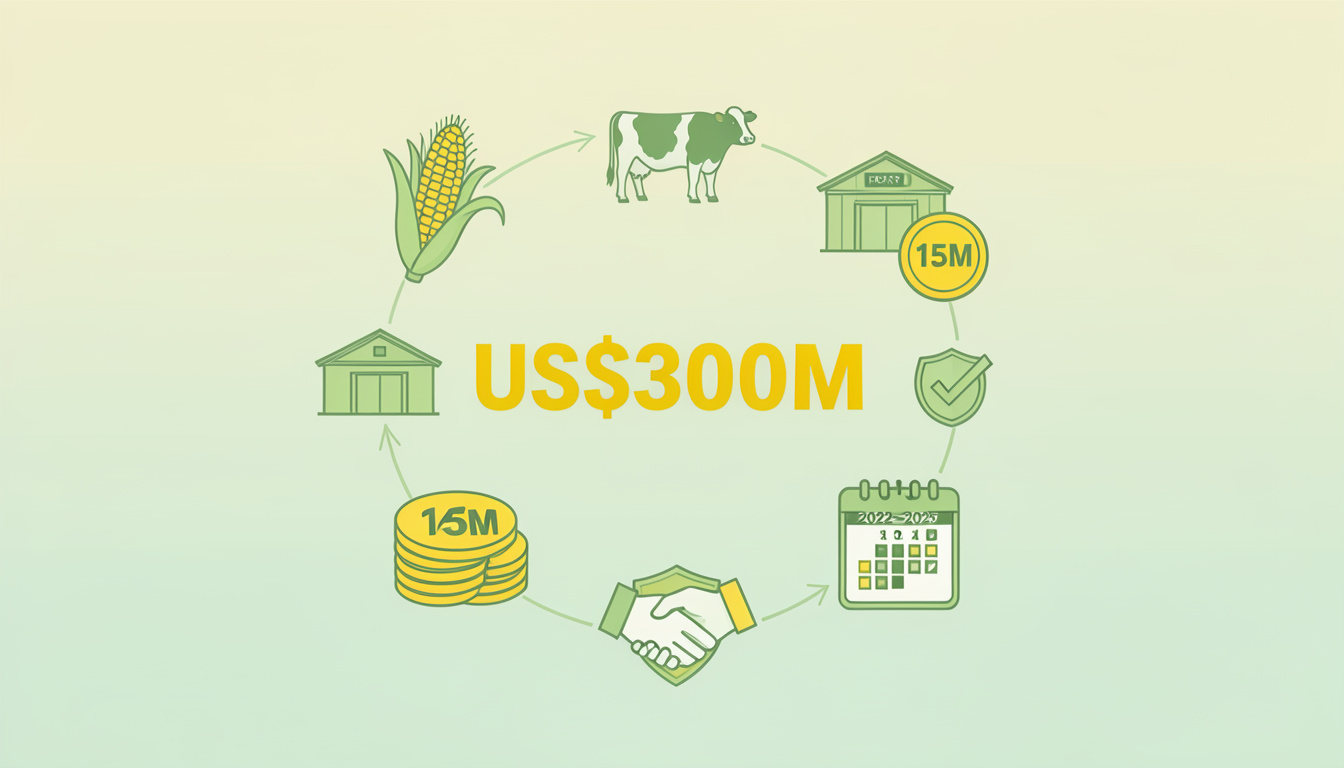
Enter Iganze Muhinzi Mworozi—a Kinyarwanda name meaning “The Excellent Farmer and Livestock Keeper” a transformative US$300 million initiative designed to commercialize Rwandan agriculture while systematically reducing lending risk.
A Five-Year Vision (2022–2027)
Implemented by the Rwanda Agriculture and Animal Resources Board (RAB) and the Development Bank of Rwanda (BRD), the project runs from April 2022 to April 2027. It targets a wide spectrum of beneficiaries, including:
- Agri-entrepreneurs
- Smallholder farmers
- Farmers’ cooperatives
- Commercial farmers
- Agriculture MSMEs
The project’s full name is CDAT—Commercialization and De-Risking for Agricultural Transformation, reflecting its dual mission: moving farmers from subsistence to profit and making agricultural lending safe for financial institutions.
US$15 Million Subsidized Credit Line
Within the larger US$300 million project, BRD manages a dedicated subsidized credit line under the component titled Scaling Up Agriculture Finance. This US$15 million facility is accessible through two channels:
- Directly to BRD investment clients
- Indirectly through partnering commercial banks, Microfinance Institutions (MFIs), and Savings and Credit Cooperatives (SACCOs)
Eligible End-Projects.
| Category | Examples |
| Agriculture Production | Crop planting, irrigation, soil preparation, inputs (seeds, fertilizers) |
| Postharvest | Storage facilities, drying equipment, threshing machines, packaging, transport to market |
| Livestock | Animal purchase, veterinary care, feed, milking equipment, poultry housing, pasture management |
Eligible borrowers include farmers (individuals) and farmers’ organizations (cooperatives, associations, and MSMEs).
Why De-Risking Matters
Traditional agricultural lending fails because banks fear default. The “de-risking” approach of Iganze Muhinzi Mworozi addresses this through:
- Subsidized interest rates (making loans affordable for farmers)
- Technical support via RAB (improving farm productivity and reducing crop failure)
- Potential guarantee mechanisms (sharing risk between BRD and partner financial institutions)
By lowering the cost of capital and reducing the probability of default, the project transforms agriculture from a “high-risk sector” into a bankable asset class.
A Catalyst for Rwanda’s Agricultural Transformation
With RAB providing agronomic expertise and BRD structuring the financial mechanism, Iganze Muhinzi Mworozi creates a seamless pipeline from policy to production to profit. For a maize farmer cooperative in Kayonza or a livestock keeper in Musanze, this means the following:
- Affordable loans for quality inputs
- Funds to build postharvest storage (reducing losses from 30% to near zero)
- Working capital to expand herd size
- A pathway from subsistence to commercial viability
As Rwanda pursues its Vision 2050, initiatives like Iganze Muhinzi Mworozi are not merely helpful; they are essential. By commercializing agriculture and de-risking finance, the project plants seeds not just in soil but in the national economy.