About.
Date: September 2026 (Specific dates TBD – Launch event held March 31, 2026)
Location: Kigali Convention Centre, Rwanda
Formerly: African Green Revolution Forum (AGRF)
Focus: Agri-food systems investment, climate-resilient agriculture, job creation, post-harvest management.
You’ve heard the statistics. Now come see the solutions.
One in five Africans goes to bed hungry.
The continent imports $100 billion worth of food every year.
Climate change is making farming harder, not easier.
Depressing, right?
The Africa Food Systems Forum (AFSF) doesn’t pretend these problems don’t exist. But here’s what’s different about this gathering – it’s not another pity party for African agriculture.
This is where you find the people who are actually fixing things.
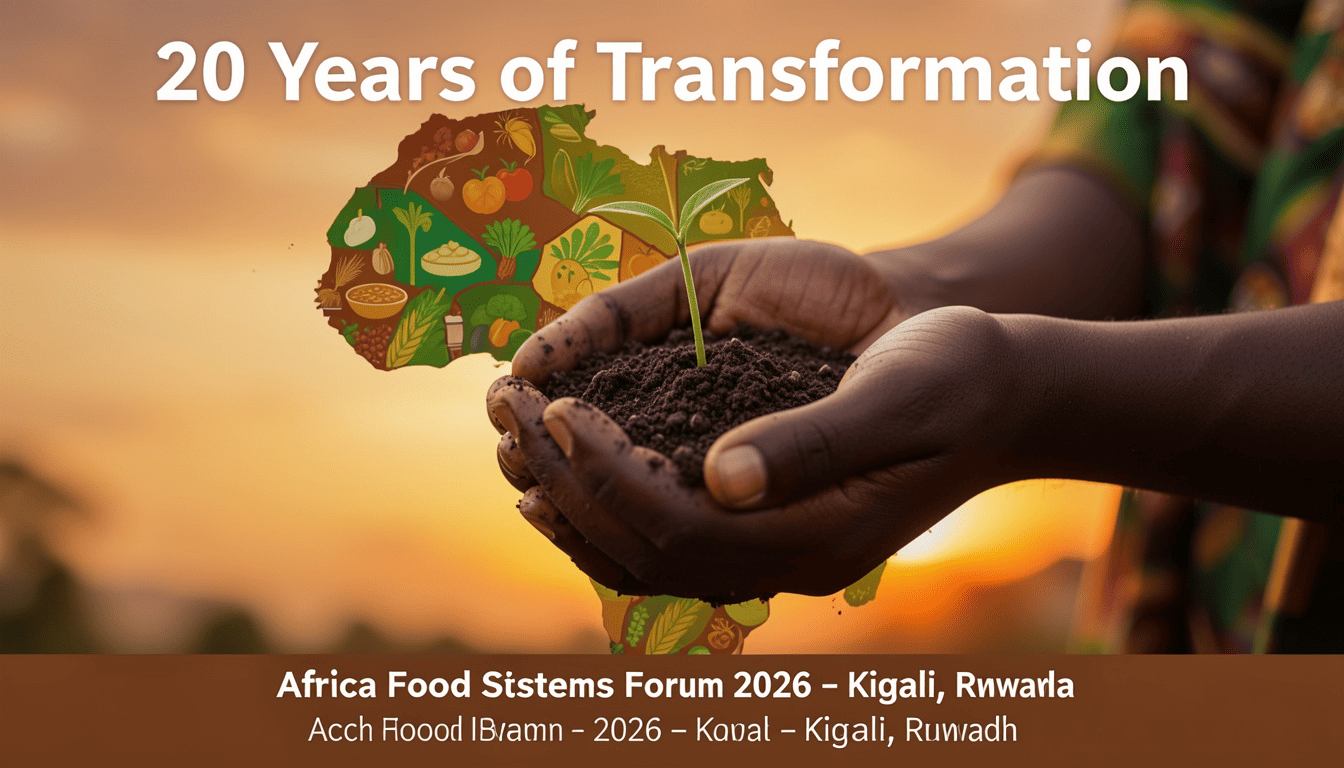
And in 2026, they’re all coming to Kigali for the 20th anniversary edition.
What is this forum really about?
Let me clear up a common confusion.
This is not a farmer’s field day (though farmers are welcome and respected here).
This is not a humanitarian aid coordination meeting (though NGOs play a big role).
The Africa Food Systems Forum is an investment and policy platform. Plain and simple.
The question driving every session: How do we get more money – private money, smart money, patient money – into African agriculture?
Aid alone has never been the solution to hunger. Jobs and markets do.
The 2026 theme is worth paying attention to
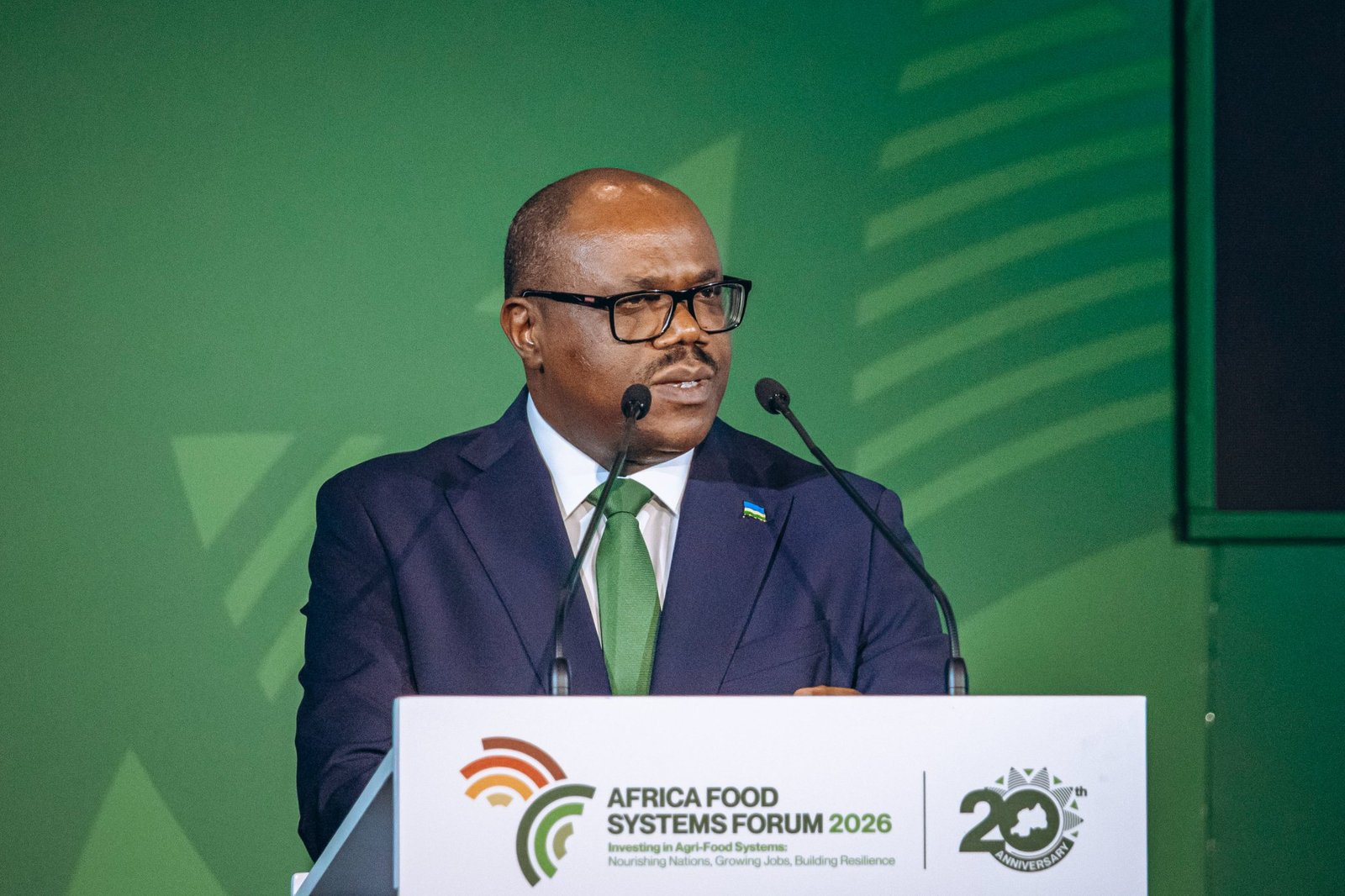
“Investing in Africa’s Agri-Food Systems: Nourishing Nations, Growing Jobs, Building Resilience”
That’s not random marketing fluff. Let me break it down:
| Phrase | What it actually means |
| Investing | Not donating. Not lending at zero interest. Real returns for real risk. |
| Agri-food systems | Not just farming. Processing, logistics, retail, waste management – the whole chain. |
| Growing jobs | Africa has the world’s youngest population. Agriculture is the only sector big enough to employ them. |
| Building resilience | Crops that survive drought. Storage that doesn’t rot. Markets that don’t collapse. |
This is the 20th anniversary. Expect bigger crowds, bigger announcements, and a shift from talk to action.
Who actually shows up?
Past forums have attracted over 54,000 delegates from 104 countries across 15 summits. That’s not a typo.
Here’s who you’ll meet in Kigali:
Heads of state – Usually 5-10 African presidents attend. They don’t come for the coffee. They come because food security is politically unstable ground.
Ministers of agriculture, finance, and trade – The people who control budgets and policies.
CEOs of agribusinesses – From seed companies to food processors to logistics firms.
Farmers’ organizations – Not just invited. Platformed. They speak from stages.
Development finance institutions – AfDB, World Bank, IFAD, European donors. They bring checkbooks.
Impact investors – Looking for the next big thing in agri-tech.
Young agri-preneurs – Under 35, building real businesses, often with phones and solar panels.
What’s different about the 20th anniversary edition?
Three big shifts.
First – From policy dialogue to implementation.
Previous forums produced declarations. This one wants projects. The organizers have explicitly said 2026 is about “shifting from dialogue to action.” That means fewer speeches, more side meetings, more deal rooms.
Second – Youth and women are not side events.
In past years, “youth in agriculture” was a one-hour panel. In 2026, it’s integrated into every track. Same for women. The forum has learned that tokenism doesn’t work.
Third – Technology is everywhere.
Drone mapping. Satellite soil analysis. Blockchain for supply chains. AI for pest prediction. This isn’t your grandfather’s agriculture forum.
Why Kigali? (Yes, again – but this one is specific)
Rwanda is a weird case study in African agriculture.
The country is small (13 million people). Land is scarce. But in the last decade, Rwanda has:
- Cut post-harvest losses from 30% to under 10% for some crops
- Built cold chains that actually work (including solar-powered packhouses)
- Made digital agricultural extension services available by phone
- Reduced hunger rates faster than almost any other African nation
It’s not perfect. But it’s proof that political will matters more than natural resources.
Holding the 20th anniversary here is a signal: You don’t need to be big to be smart.
Practical details (what you actually need to know)
| Items | Information |
| Dates | September 2026 (exact dates TBD – announced at March 31 launch) |
| Location | Kigali Convention Centre |
| Expected attendance | 4,500+ in-person (plus thousands virtual) |
| Registration | Opens ~6 months before. Early bird rates available. |
| Language | English and French (simultaneous interpretation) |
| Exhibition | Yes – booths for agribusinesses, tech companies, and countries |
| Deal room | Yes – matchmaking for investors and businesses |
| Field visits | Yes – trips to Rwandan farms and agri-processing facilities |
Who should attend? Be honest.
You should go if:
- You run an agribusiness looking for expansion capital
- You represent an investment fund focused on food and agriculture
- You work for a development agency funding food security programs
- You’re a policy advisor wanting to see what actually works
- You’re a student or young professional in agri-economics or food science (scholarships available)
- You’re a journalist covering African development or climate change
You might want to skip if:
- You’re only interested in subsistence farming at the village level (this forum is too high-level)
- You hate networking (it’s 90% of the value)
- You’re looking for a quiet academic conference (it’s loud, busy, and energetic)
What past attendees say (paraphrased, but real)
“I met my largest buyer at the forum. We’d been trying to reach them for two years.” – Agro-processor, Ghana
“The side events are better than the main plenaries. Don’t skip them.” – NGO program director, Kenya
“I came skeptical about technology in agriculture. I left with a pilot project.” – Government advisor, Malawi
Pro tips from someone who’s been
Register early. Prices go up. Hotels fill up. Kigali in September is busy.
Don’t just attend the main stage. The real conversations happen in side events, coffee breaks, and the exhibition hall.
Bring business cards even if you hate them. This is an old-school networking crowd.
Prepare your pitch. You’ll meet people who could change your business. Have a one-minute version ready.
Follow up within 48 hours. Everyone says they will. Almost nobody does. Be the exception.
A quick note on the name change
You might remember this as the African Green Revolution Forum (AGRF). The rebrand to Africa Food Systems Forum happened a few years ago.
Why? Because “green revolution” sounded like industrial farming and chemical fertilizers. “Food systems” is bigger – it includes nutrition, waste, markets, policy, and climate.
Same organization. Same energy. Wider scope.
Bottom line
The Africa Food Systems Forum is not a feel-good summit.
It’s a deal-making, policy-shaping, relationship-building machine.
If you care about how Africa will feed itself in a hotter, more crowded world – and you want to meet the people writing that future – clear your September calendar.