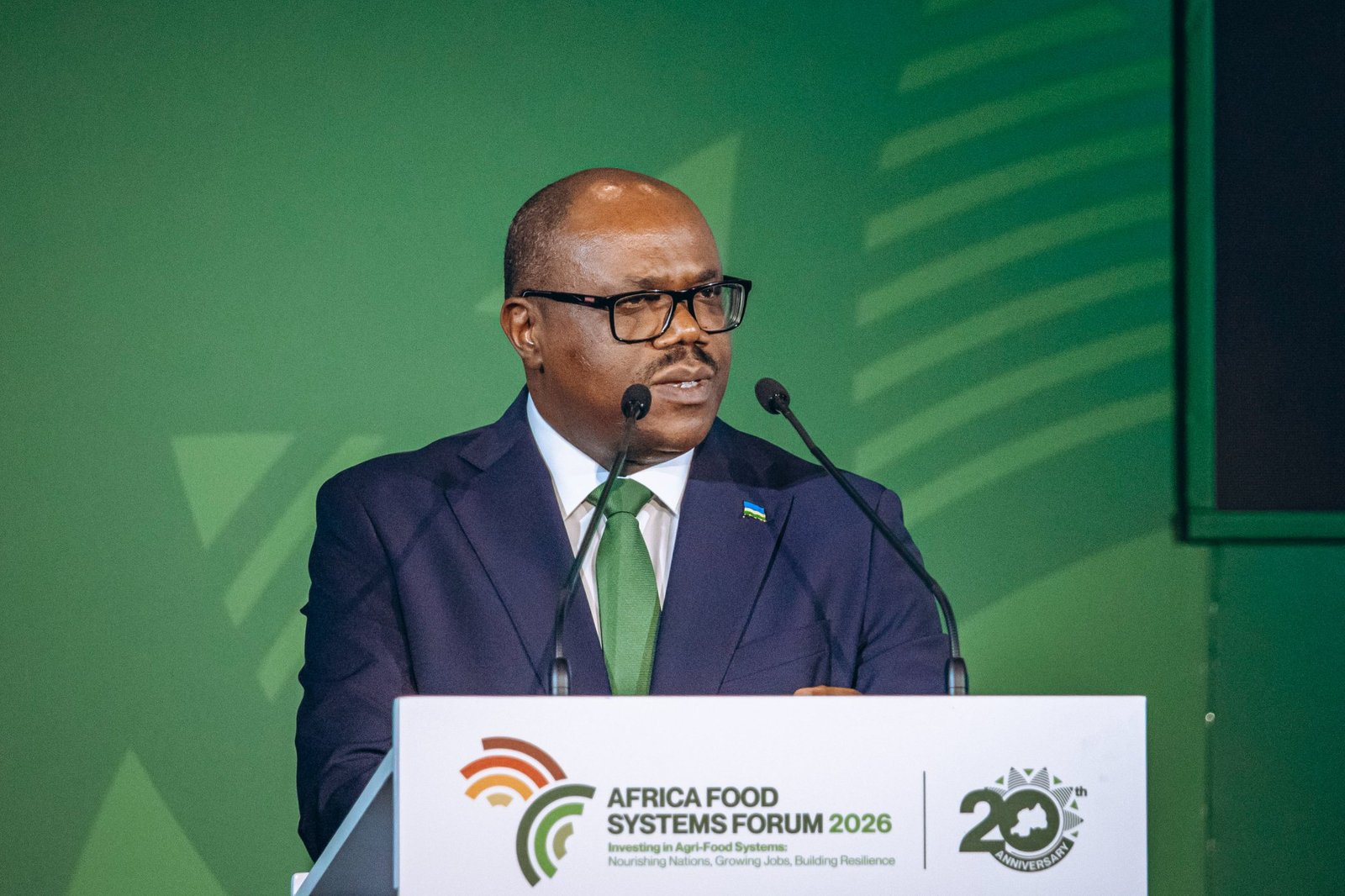
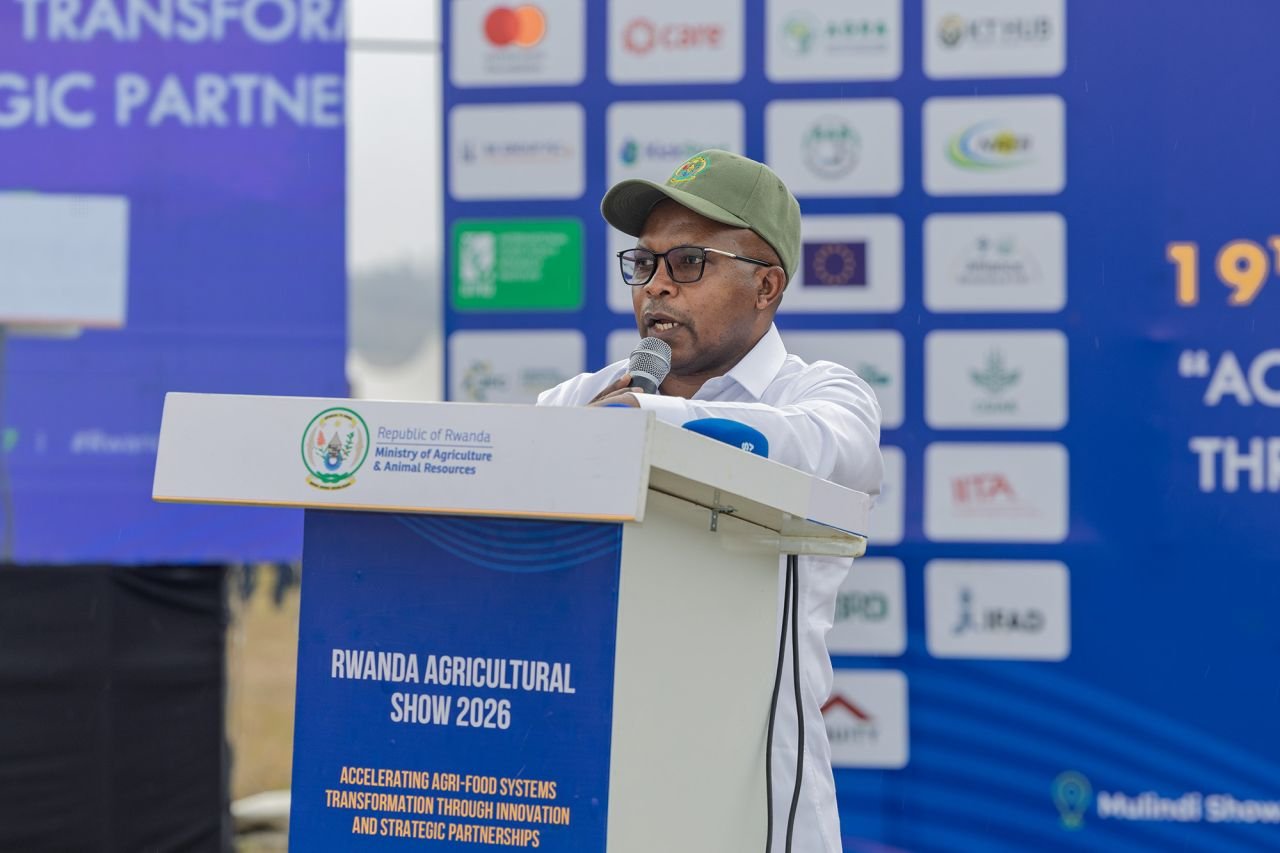
Kigali, Rwanda – The Mulindi Show Ground in Gasabo is buzzing with energy as the 19th annual Rwanda Agriculture Show unfolds from July 22 to 31, 2026. With free entry for all, the exhibition has drawn over 380 registered exhibitors from Rwanda and beyond, including participants from Nigeria, Tanzania, India, and Türkiye . Under the theme “Accelerating Agri-Food Systems Transformation through Innovation and Strategic Partnerships,” this year’s event showcases the very best of what’s possible when agriculture meets modern technology and fresh thinking.
A Milestone Moment for Rwandan Agriculture
This year’s show carries special significance as it coincides with a major milestone—AGRA celebrates 20 years of partnership and investment in Rwanda’s agricultural transformation . Founded in 2006 following the vision of the late Kofi Annan, AGRA has been instrumental in reshaping Rwanda’s farming landscape from the ground up
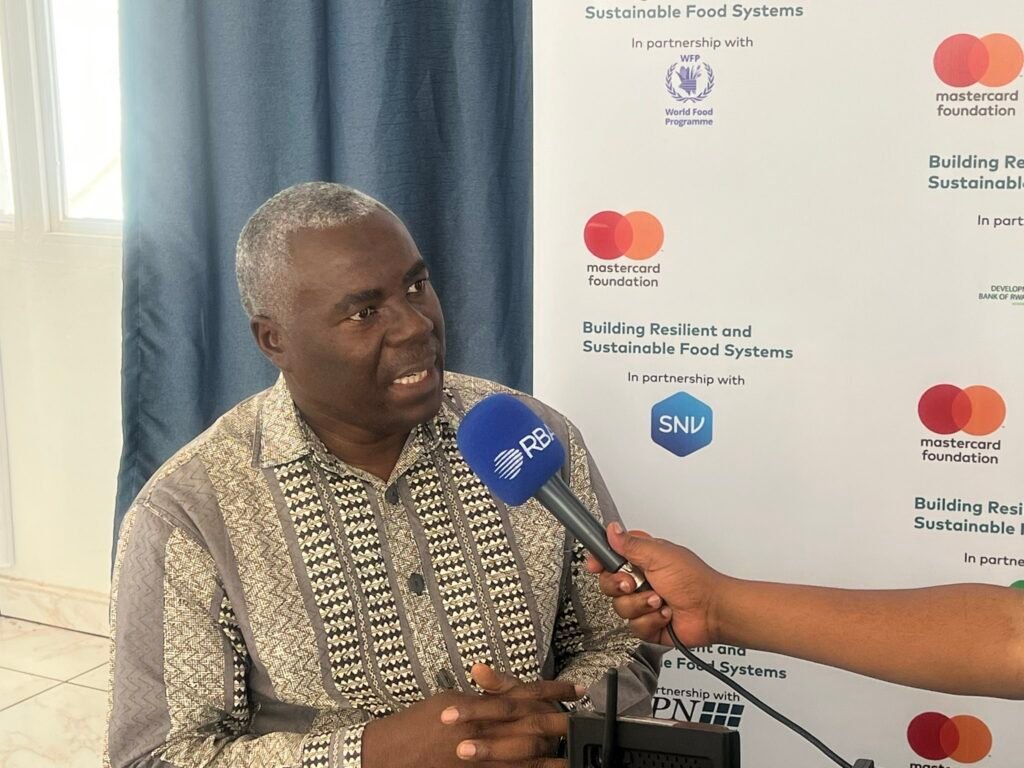
“When AGRA began its work in Rwanda, the country was rebuilding almost from scratch following the genocide,” explains Jean Paul Ndagijimana, AGRA’s Country Director in Rwanda . “What Rwanda needed most was skilled people—scientists, breeders, extension specialists. So we invested heavily in education” .
That investment has paid remarkable dividends. Over the past two decades, AGRA has supported more than 50 Rwandans to obtain Master’s degrees and over 27 to complete PhDs in fields like crop science, plant genetics, and breeding . The organization has also channeled approximately USD 20 million into research infrastructure, laboratories, equipment, and production facilities across the country .
The results speak for themselves: Rwanda has transformed from importing nearly 100 percent of its improved maize seed in 2017 to meeting domestic demand by 2022, with over 20 private seed companies now operating in the country—compared to virtually none a decade ago . The share of farmers using improved seeds has risen from below 20 percent in 2017 to nearly 50 percent today, with some reporting yields that have tripled .
From Crisis to Market Confidence
One of AGRA’s most impactful interventions addressed aflatoxin contamination in maize—a problem that once locked farmers out of major markets. When Africa Improved Foods (AIF) opened its factory in Rwanda, it was rejecting nearly 90 percent of locally produced maize due to quality concerns .
“It was painful,” Ndagijimana recalled. “The factory was in Rwanda, but farmers could not sell to it” . Through biological control solutions and improved post-harvest handling practices, today more than 90 percent of Rwandan maize meets AIF’s commercial quality standards . That completely transformed the relationship between farmers and the market.
“What makes me happiest is seeing a farmer who used to beg for a buyer now negotiating prices with multiple buyers,” Ndagijimana said. “That power to choose—that dignity—that is real transformation”
Youth Leading the Agricultural Revolution
A major highlight of this year’s show is the strong emphasis on youth participation. With support from AGRA and the Mastercard Foundation, 73 young innovators and exhibitors are showcasing their agribusiness ventures . Over 100 young people are also taking part in a study visit, learning from industry players and exploring opportunities across the agri-food sector .
The focus on youth reflects a broader strategic shift. AGRA’s current strategy targets creating 132,000 jobs by 2028, most of them for youth and women . The organization is positioning agriculture as a business opportunity rather than just a way of life—one that offers technology, data, and predictable income .
Young agripreneurs like Harerimana Isaie of Terimbere Muvumvu Ltd embody this new generation of farmers. Starting with just five beehives and minimal capital after struggling to find a job following secondary school, he now owns 360 modern beehives and grows maize, onions, tomatoes, and cabbage . His story, featured in a live Radio Rwanda broadcast during the show, demonstrates how determination and agricultural enterprise can transform lives .
Fellow agripreneur Munezaro Clarisse of Mama Harvest Ltd also participated in the radio discussion, representing the growing number of young women leading agribusiness ventures in Rwanda .
Innovation on Display
Across the showground, visitors are discovering cutting-edge solutions to agricultural challenges. Exhibitors from the National Agricultural Export Development Board (NAEB) and the Rwanda Organic Agriculture Movement (ROAM) are showcasing smart irrigation systems, organic goods, and sustainable value-chain solutions .
The exhibition is also highlighting youth and women-led agribusiness innovations driving Rwanda’s agricultural future . Beyond the serious business, visitors can enjoy live music and performances from talented Rwandan artists while networking and exploring partnership opportunities.
Looking to the Future
The show provides a powerful snapshot of a sector in transformation. As Ndagijimana noted, “Young people don’t want agriculture that depends only on hard manual labour. They want technology, data, and predictable income—and that’s what we are supporting” .
With value chains like chili and avocado offering both quick wins and long-term income stability, Rwanda is positioning itself for export growth . The country is also working toward becoming a regional hub for seed processing, testing, certification, and trade .
As the 19th Agriculture Show continues through July 31, it offers Rwandans and international visitors alike a glimpse into the future of farming—one where innovation, partnerships, and youthful energy are accelerating transformation across the agri-food system .