
Kigali, Rwanda | August 31 – September 4, 2026
What a week!
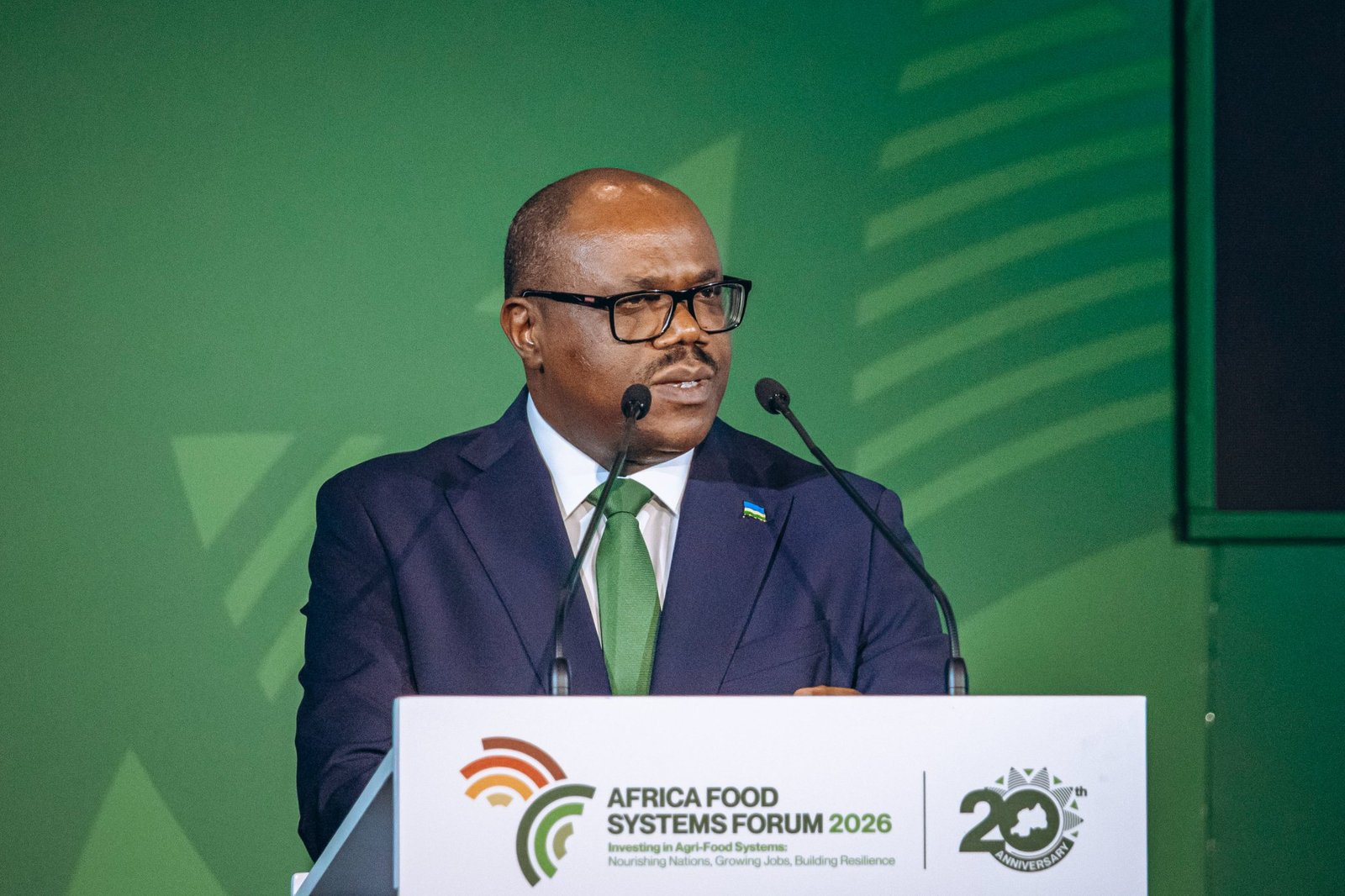
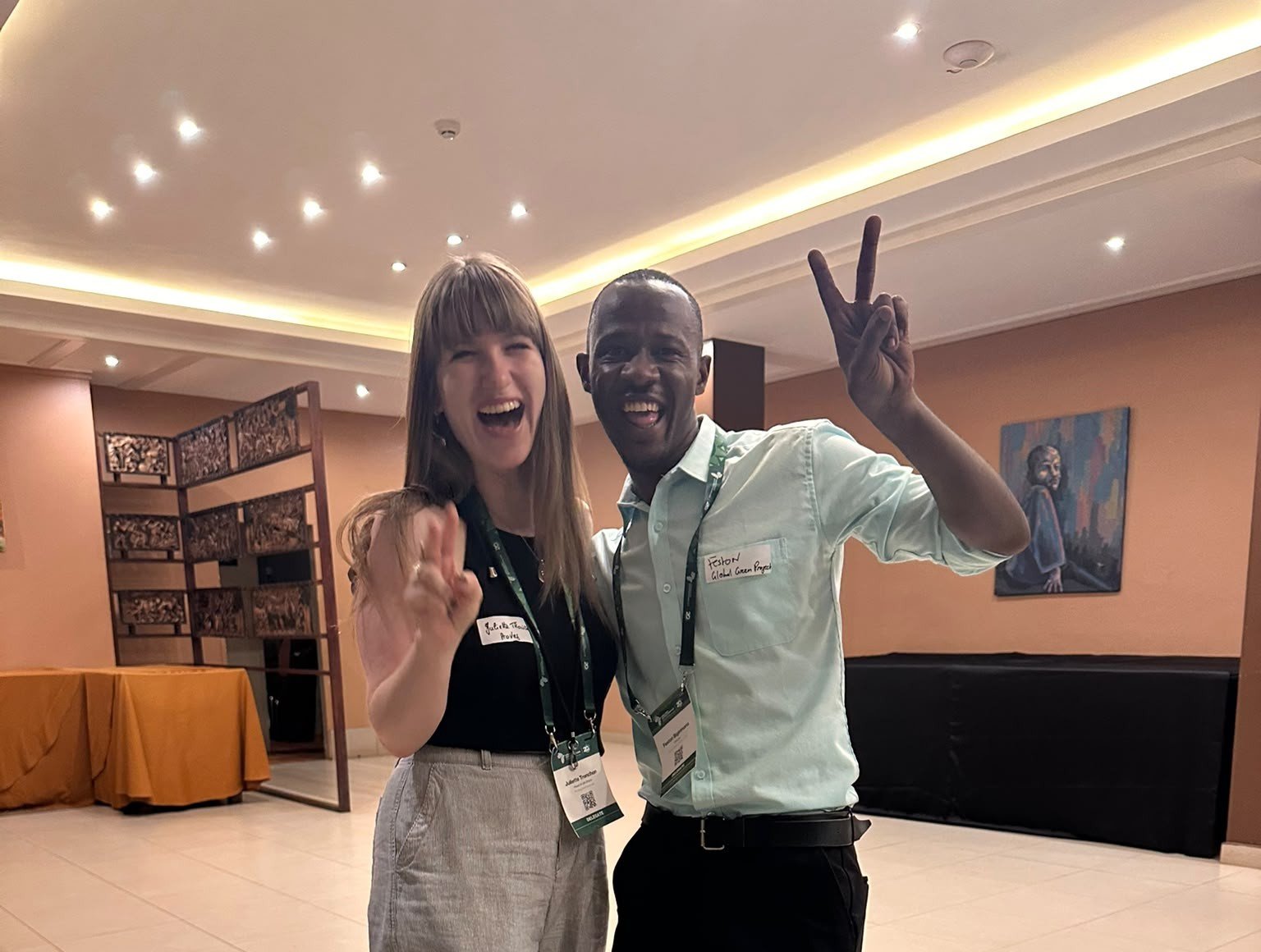
The Earth Focus Network team had the privilege of attending the Africa Food Systems Forum (AFSF) 2026 in Kigali—the continent’s premier gathering on agriculture and food systems transformation. With over 5,000 delegates from more than 50 countries, the energy and commitment to action were truly inspiring.
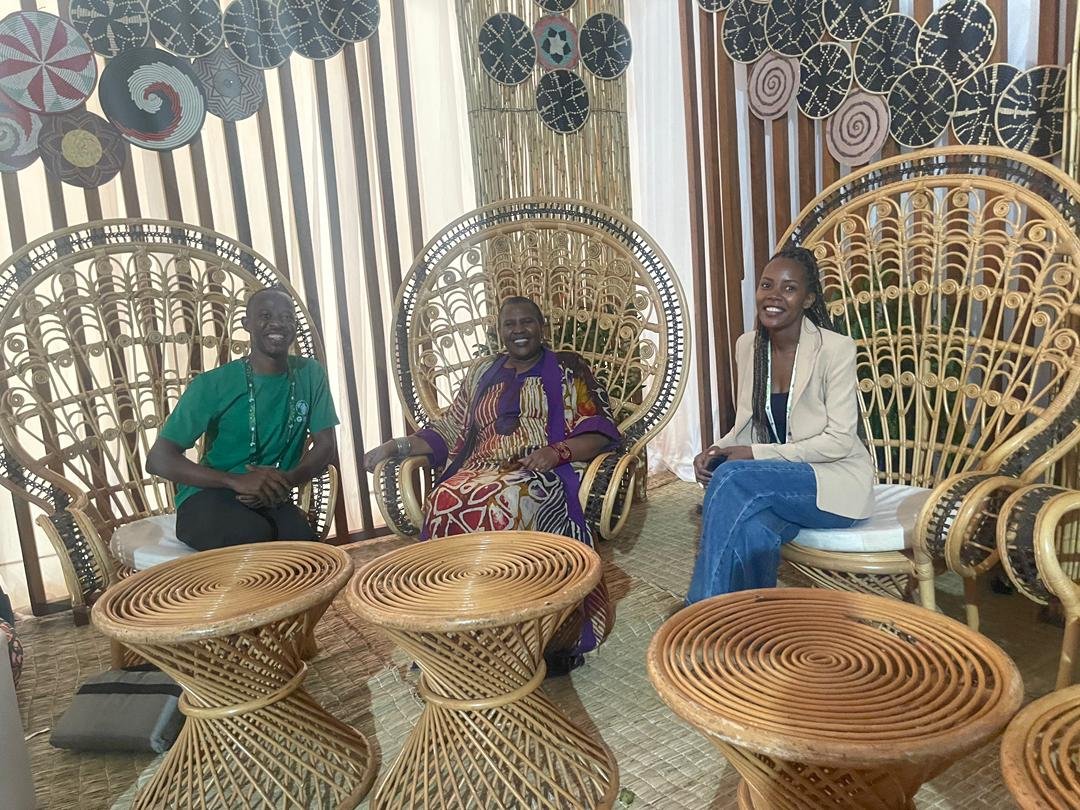
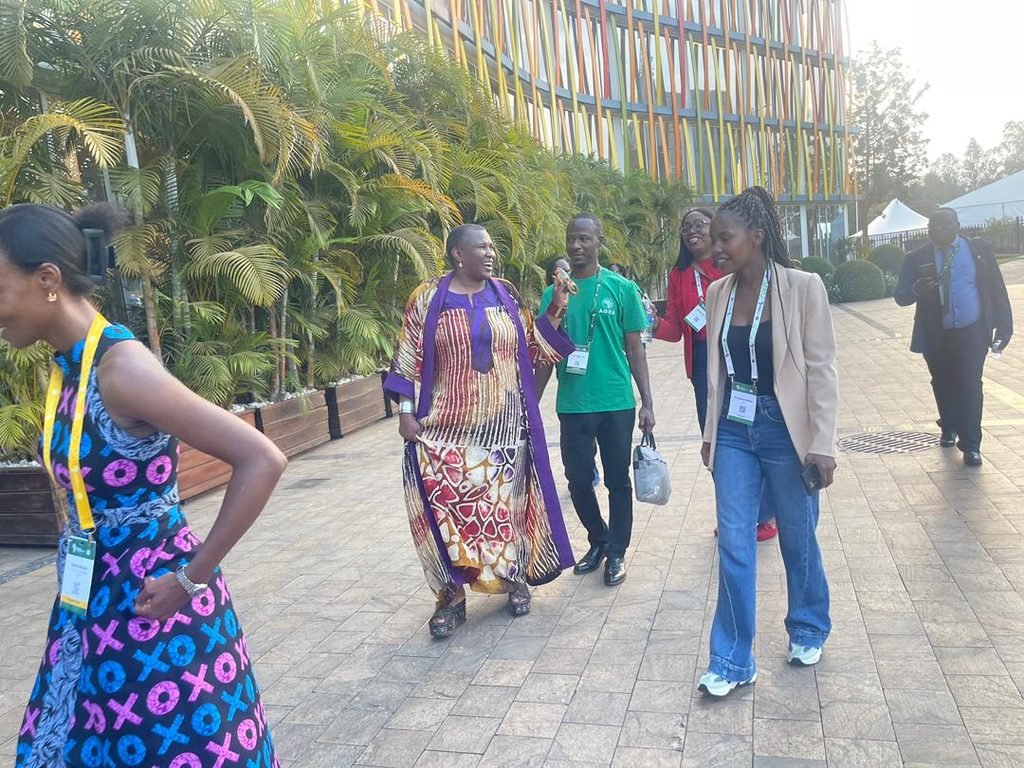
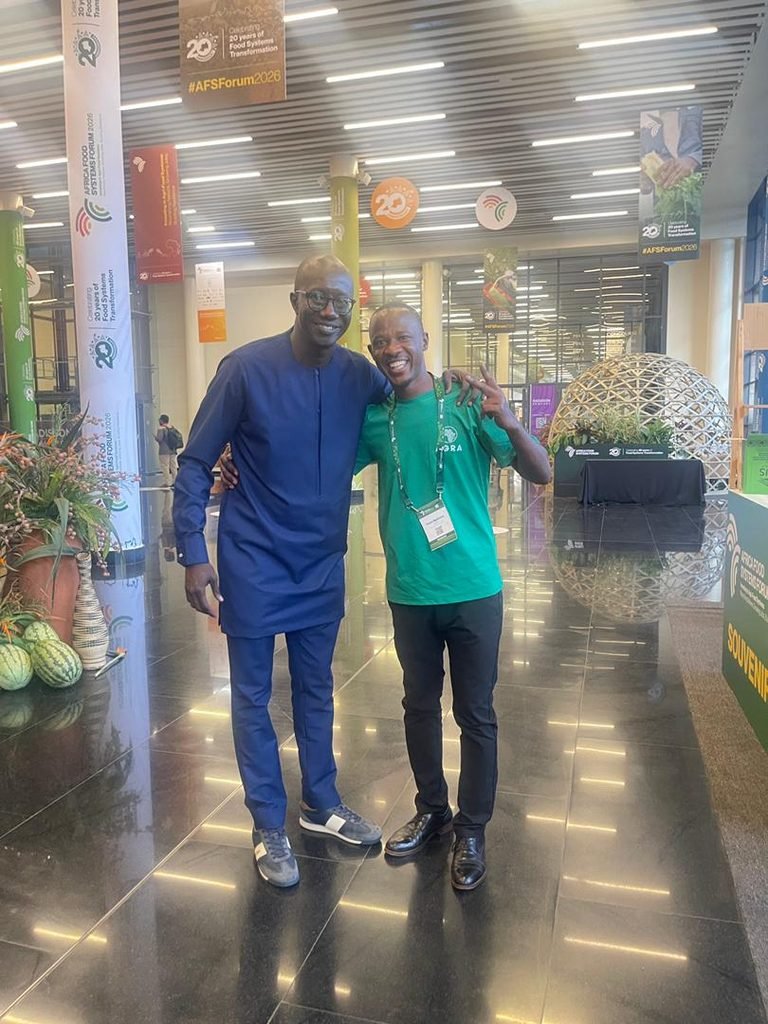
We were especially honored to meet Dr. Alice Ruhweza, President of AGRA, and Mr. Amath Sene, Managing Director of the Africa Food Systems Forum. Their leadership and vision continue to shape the continent’s agricultural future, and we deeply appreciate the time they took to connect with us.
Here are our 5 key takeaways from this year’s forum:
1. From Dialogue to Implementation—The Urgent Call for Action
The overarching message of AFSF 2026 was clear: Africa must move from pledges to concrete results. As Rwandan Prime Minister Justin Nsengiyumva emphasized during the opening ceremony, Africa must shift from viewing agriculture as a traditional sector to positioning it as a modern source of jobs, entrepreneurship, and economic opportunity.
African Union Commissioner Moses Vilakati put it bluntly: Africa’s challenge is no longer a lack of policies or knowledge, but the failure to translate commitments into results. Delegates repeatedly stressed the need for implementation, investment, and accountability.
Mr. Amath Sene captured this sentiment powerfully:
“Our first twenty years show that Africa can bring together different stakeholders with excellence, ambition, and impact. The next twenty years should show that Africa can deliver results.”
2. Africa’s $70–$100 Billion Food Import Bill Must Be Reduced
Africa spends an estimated $70 billion to $100 billion annually on food imports despite possessing enormous agricultural resources. This staggering figure was a recurring theme throughout the forum, with delegates emphasizing that Africa should be exporting food, not importing it.
The livestock sector was highlighted as a prime opportunity. Africa holds about one-fifth of the world’s cattle but produces only 5% of global milk output. Closing this productivity gap is essential to unlocking the continent’s estimated $1 trillion annual agribusiness potential.
Professor Lindiwe Majele Sibanda, Chair of Council at Zimbabwe National University of Science and Technology, offered a powerful diagnosis:
“Africa does not lack livestock potential. We do not lack animals. We do not lack farmers. We do not lack science and technical knowledge. We certainly do not lack demand. What we have lacked is the ability to connect all these pieces and deliver at scale.”
3. Soil Health – The Foundation of Food Security
Soil degradation emerged as a critical barrier to agricultural productivity. Experts revealed that approximately 60% of Africa’s cropland suffers from degraded soils due to poor management practices.
The private sector called for greater investment in farmer education, harmonized fertilizer regulations across borders, and reforms to subsidy programs. Several speakers emphasized the need for soil data to guide farmers on appropriate inputs.
Alexandre Macedo, Senior Vice President for the Business Unit Africa at Yara International, argued:
“If we are serious about enabling farmers to produce more, earn more, and build resilience for generations to come, we should move beyond asking how much fertilizer we use and focus on how intelligently we use every nutrient.”
4. Investment and Partnerships Are the Engines of Transformation
A major theme was the need for stronger public-private partnerships to drive investment in agriculture. The Sahel Ministerial Roundtable identified three priority areas: productive and market infrastructure; financing and risk-sharing mechanisms; and stronger coordination between governments, investors, and businesses.
Gerardine Mukeshimana, Vice-President of IFAD, announced a $200 million blended finance mechanism for climate adaptation in Kenya, Tanzania, Uganda, and Rwanda.
Dr. Alice Ruhweza, President of AGRA, reflected on two decades of progress during the opening ceremony:
“Twenty years ago, we began with a clear conviction: African smallholder farmers were not just waiting to be saved. They were waiting for the conditions around them to work—soils, seeds, science, knowledge, markets, finance, policy, and partnerships. Farmers always had the capacity for innovation and courage. They just needed a system that could support them.”
5. Youth, Women, and Innovation at the Center
The forum placed strong emphasis on youth and women as drivers of agricultural transformation. With nearly 400 million people living across the Sahel and about 65% of the population below the age of 25, agriculture and livestock remain critical to livelihoods and economic development.
Discussions centered on how to create new avenues for employment and entrepreneurship beyond primary production—into processing, logistics, technology, and other related services. Speakers emphasized that unlocking opportunities for women and young people requires access to capital, infrastructure, and markets.
The Youth Dome sessions spotlighted youth-led agricultural innovations and the partnerships, financing, and support systems needed to help young agribusinesses scale.
A Personal Note
Attending AFSF 2026 was a transformative experience for the Earth Focus Network. Meeting Dr. Alice Ruhweza and Mr. Amath Sene reinforced our commitment to building a community of practitioners, researchers, and advocates advancing conservation and sustainability across Africa, Europe, and the United States.
We returned to our work with renewed energy and a clear understanding of the challenges and opportunities ahead. The message from Kigali is loud and clear: Africa has the solutions. Now is the time to scale them.
Here For Hope Foundation – Building Africa’s Self-Sustaining Future
At the heart of Africa’s ambition to feed itself lies the work of organizations like Here For Hope Foundation. Founded in 2024, Here For Hope Foundation is dedicated to fostering sustainable development by empowering local communities through climate-smart agriculture, biodiversity conservation, and circular economy practices.
Our Flagship Initiative: 50,000 Trees for 5,000 Families by 2027
In Rwanda’s most drought-prone districts—Kayonza and Gatsibo—we are transforming degraded land into productive, climate-resilient farms. Tree cover in these areas is only 5.2%, leaving farmers exposed to prolonged droughts that cause crop failures. Over 67% of farmers report decreased rainfall, and 81% have experienced reduced crop yields.
Our comprehensive solution includes:
- Agronomist-led training before and after planting, ensuring 85%+ survival rates
- Nursery jobs employing youth and women, providing income and skills
- Market linkages to the National Agricultural Export Development Board (NAEB) and private exporters, unlocking avocado and coffee markets
Connecting to the Africa We Want
Here For Hope Foundation’s model aligns with the key pillars of Africa’s food systems transformation:
- Reducing Import Dependency: With 25,000 avocado and 10,000 coffee trees, families access lucrative export markets—avocado exports surged 923% to $8.6 million, targeting $12.9 million by 2029. This directly contributes to reducing Africa’s food import bill by producing high-value crops for export.
- Building Climate Resilience: Agroforestry trees (10,000) restore land and soil, indigenous trees (5,000) protect biodiversity, and all 50,000 trees capture carbon, mitigating climate change.
- Empowering Youth and Women: Over 100 jobs are created for youth and women, with skills transfer ensuring lasting knowledge.
- Creating Self-Sustaining Cycles: Families gain nutrition from fruit, income from sales, and long-term climate security—a self-sustaining cycle of restored land, empowered families, and thriving communities.
As Dr. Alice Ruhweza reminded us:
“Smallholder farmers were not just waiting to be saved. They were waiting for the conditions around them to work.”
Here For Hope Foundation is helping create those conditions—building the Africa We Want, where communities feed themselves, thrive economically, and protect the planet for future generations.
🌍 Earth Focus Network – Connecting Changemakers for a Sustainable Future
This is an inspiring story. It is encouraging to see African leaders, farmers and organisation, working to get her to build strong, and most sustainable food system, supporting smallholder farmers with finance, technology and access to markets can make a real difference in African communities