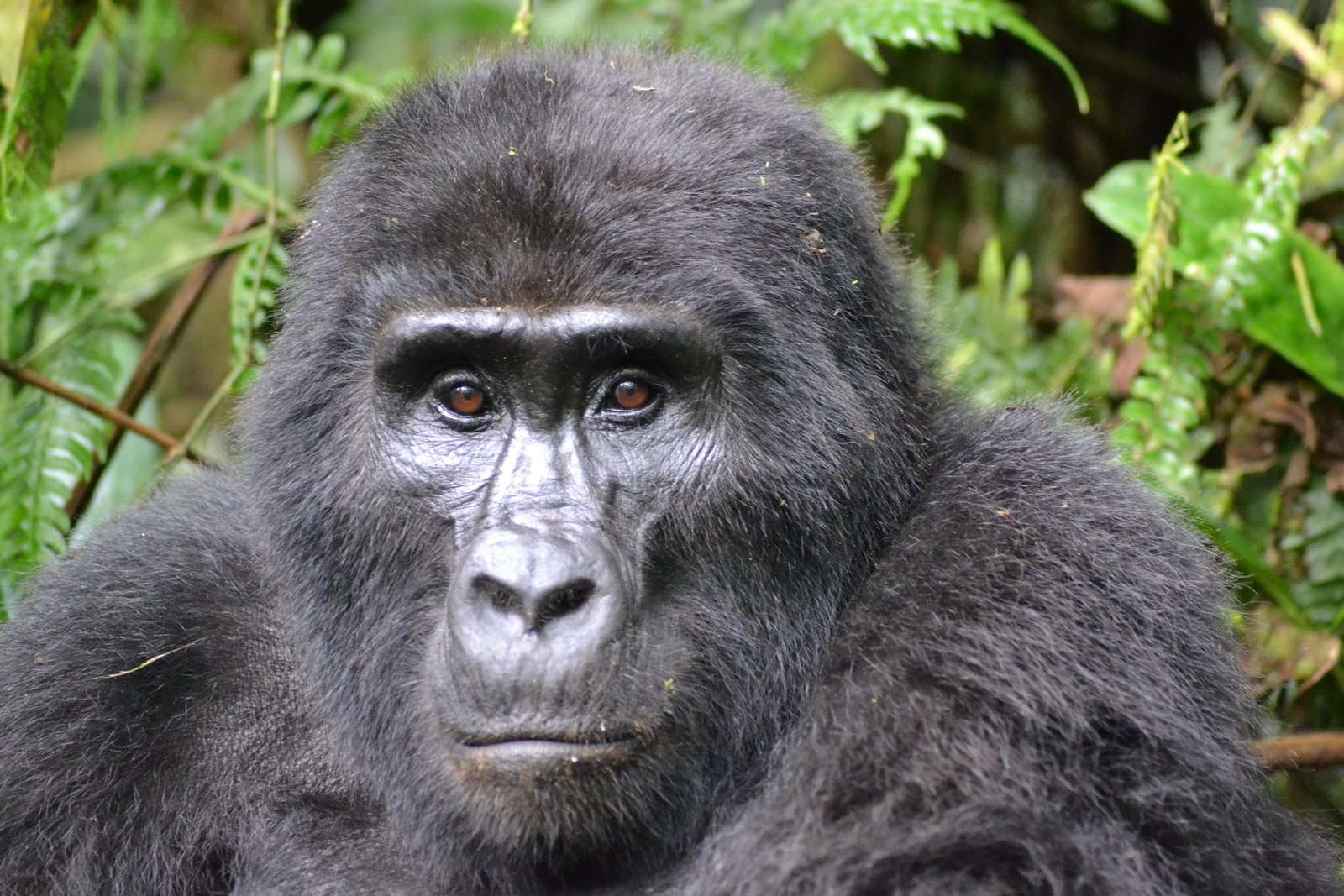
Coming face to face with a mountain gorilla is one of the most profound wildlife encounters on earth. But before you can lock eyes with a silverback in the misty forests of Volcanoes National Park, there’s one essential item to secure: your gorilla permit.
Here’s everything you need to know to book yours successfully.
Why Your Gorilla Permit Matters
With only 1,064 mountain gorillas remaining in the wild worldwide, every encounter is carefully managed to protect these gentle giants. The Rwanda Development Board (RDB) issues just 96 permits per day—a maximum of 8 trekkers per gorilla family, spread across 12 habituated groups.
This strict limit means demand consistently exceeds supply, especially during peak seasons. Book early, or risk missing out entirely.
How Much Does a Gorilla Permit Cost in 2026?
Rwanda positions itself as a premium gorilla trekking destination, and the permit price reflects that.
The standard gorilla permit costs $1,500 USD per person.
Here’s the full breakdown by visitor category:
| Visitor Category | Fee |
|---|---|
| International visitors | $1,500 |
| Foreign residents in Rwanda | $500 |
| Foreign residents from East Africa | $500 |
| Rwandan citizens | $200 |
| East African citizens | $200 |
Wait, how do I know if I qualify for resident rates?
Foreign residents must have a minimum of four consecutive months’ residency status or work permit in their passport. East African residents need to provide EAC ID Cards or passports.
💡 Pro Tip: The permit is the same for everyone—you’re paying for conservation, not a “luxury tax.” All revenue directly funds gorilla protection and community development.
When to Book: Timing Is Everything
Permits sell out months in advance, especially for dry season treks.
Book 3–6 months ahead for peak seasons.
- June to September (dry season, best trekking conditions)
- December to February
The green season (March–May, October–November) offers:
- Better availability
- Lush, photogenic scenery
- Fewer crowds
- Muddier, more challenging trails
⚠️ Golden rule: Secure your permit before booking flights. Missing a $1,500 permit because of a flight delay is a disaster you don’t want to experience.
How to Book: Two Options
Option 1: Book Directly Through RDB
You can apply directly via the Visit Rwanda online portal. You’ll need:
- Full name exactly as on passport
- Passport number
- Nationality
- Date of birth
- Preferred trekking date
Permits are issued automatically upon successful payment.
But here’s the catch: If your preferred date is sold out, you’re back to square one. And you’ll need to coordinate transport, accommodation, and park transfers yourself.
Option 2: Book Through a Licensed Tour Operator (Highly Recommended)
This is what most international travelers choose.
A licensed operator:
- Checks real-time availability
- Secures the permit in your name
- Folds it into a single, well-run trip
- Charges no markup on the permit—you still pay $1,500
“You pay the same $1,500, but you gain certainty, local expertise, and a single point of contact for the whole trip,” explains Reginal Hakizimana of Rwanda Eco Company and Safaris.
For your first trek? Definitely go with a tour operator.
Documentation: Get This Right
This is where people get tripped up. The RDB verifies all tourist documents at park entry gates. If your application is erroneous, incomplete, or false, you WILL be denied entry—regardless of whether you paid and received a system-generated permit.
What you need to provide:
- Full name exactly as on passport
- Passport number
- Valid passport (must be valid for at least six months from travel)
- Nationality
- Date of birth
- Email address
- Phone number
⚠️ Critical: A mismatch between your booking details and passport will cause problems at the park gate.
In doubt? Email your documents to the RDB Tourism Reservation Office: reservation@rwandatourism.com before completing your application.
What Happens on Trek Day
07:00 AM – Report to the RDB Tourism & Conservation offices at the prefecture offices in Kinigi.
The Briefing:
- Registration and document verification
- Safety and etiquette briefing
- Group allocation (maximum 8 trekkers per gorilla family)
- Family assignment based on trekker fitness and gorilla location
The Trek:
- Duration: 30 minutes to 5+ hours
- Altitude: 2,500–4,000 meters above sea level
- Terrain: Volcanic slopes, dense forest, potentially muddy
Your One Hour:
- Exactly 60 minutes with the gorilla family
- No flash photography
- Maintain 7-meter distance
- No eating, drinking, or smoking near gorillas
🦍 The moment: “The silverback sat three metres away and looked directly at us for what felt like a minute. Nobody moved. Nobody spoke. It is the closest thing to a spiritual experience I have had in the wild.” — Nyahe Mwaura, safari guide
Rules Every Trekker Must Follow
These rules protect both you and the gorillas—gorillas share over 98% of human DNA and are vulnerable to our illnesses.
| Rule | Why It Matters |
|---|---|
| Minimum age 15 years | Gorilla trekking is physically demanding |
| Maintain 7 meters (22 feet) distance | Prevents disease transmission |
| No trekking if sick | A cold or flu can be fatal to gorillas |
| No flash photography | Flash can distress gorillas |
| One-hour viewing limit | Minimizes stress on the gorilla families |
| Maximum 8 per group | Reduces pressure on the gorillas |
| No eating/drinking near gorillas | Prevents litter and disease transmission |
| Keep voice low | Gorillas are sensitive to loud noises |
| No rapid movements | Can frighten gorillas and provoke defensive responses |
| If a gorilla charges or vocalizes | Stand still, look away, and follow your guide’s directions |
Refund and Cancellation Policy
Full Refund (100%):
- Visitors who fail to track gorillas the entire day because of the gorilla group’s movement shall be given another chance OR a full refund.
Partial Refund (75%):
- Trekkers who spent the whole day searching but failed to make contact with a gorilla family.
No Refund:
- Late arrivals
- Flight delays
- Absence on trekking day
- Cancellation for any other reason
💡 This is why travel insurance is non-negotiable for gorilla trekking. Your $1,500 permit isn’t refundable for flight delays or cancellations.
What to Pack
Clothing:
- Long-sleeved shirts and long trousers in dark, muted colours
- Sturdy hiking boots with ankle support
- Lightweight waterproof jacket
- Gardening gloves (for stinging nettles)
- Gaiters (recommended)
Gear:
- Daypack
- Water (2 litres minimum)
- Snacks
- Sunscreen
- Insect repellent
- Camera (flash photography prohibited)
- Face mask (required when near gorillas)
What the lodge provides (at some luxury properties):
Extra Tips for First-Timers
1. Hire a porter. Available at the park entrance for around $15–$20. They carry your daypack, help with footing on challenging terrain, and it’s a direct income source for local communities. Highly recommended.
2. Build in a buffer day. If your flight is delayed, you could lose your $1,500 permit. Arrive in Rwanda at least one day before your trek.
3. Match your fitness level. Treks range from 1 to 8 kilometers, with steep climbs and muddy ground. Tell your operator about your fitness level so you can be matched to an appropriate gorilla family.
4. Consider both gorilla and golden monkey trekking. Your first morning of acclimatization is usually spent trekking to see golden monkeys—less strenuous and just as rewarding.
Quick Checklist: 5 Steps to Book Your Permit
- □ Step 1: Choose your trekking date (peak season = book 3–6 months ahead)
- □ Step 2: Decide between direct booking or a licensed tour operator
- □ Step 3: Gather your passport details (exactly as printed)
- □ Step 4: Make full payment of $1,500 per person
- □ Step 5: Book your travel insurance immediately after permit confirmation