$0 mentioned, but full salary plus expenses covered. Deadline: May 22, 2026.
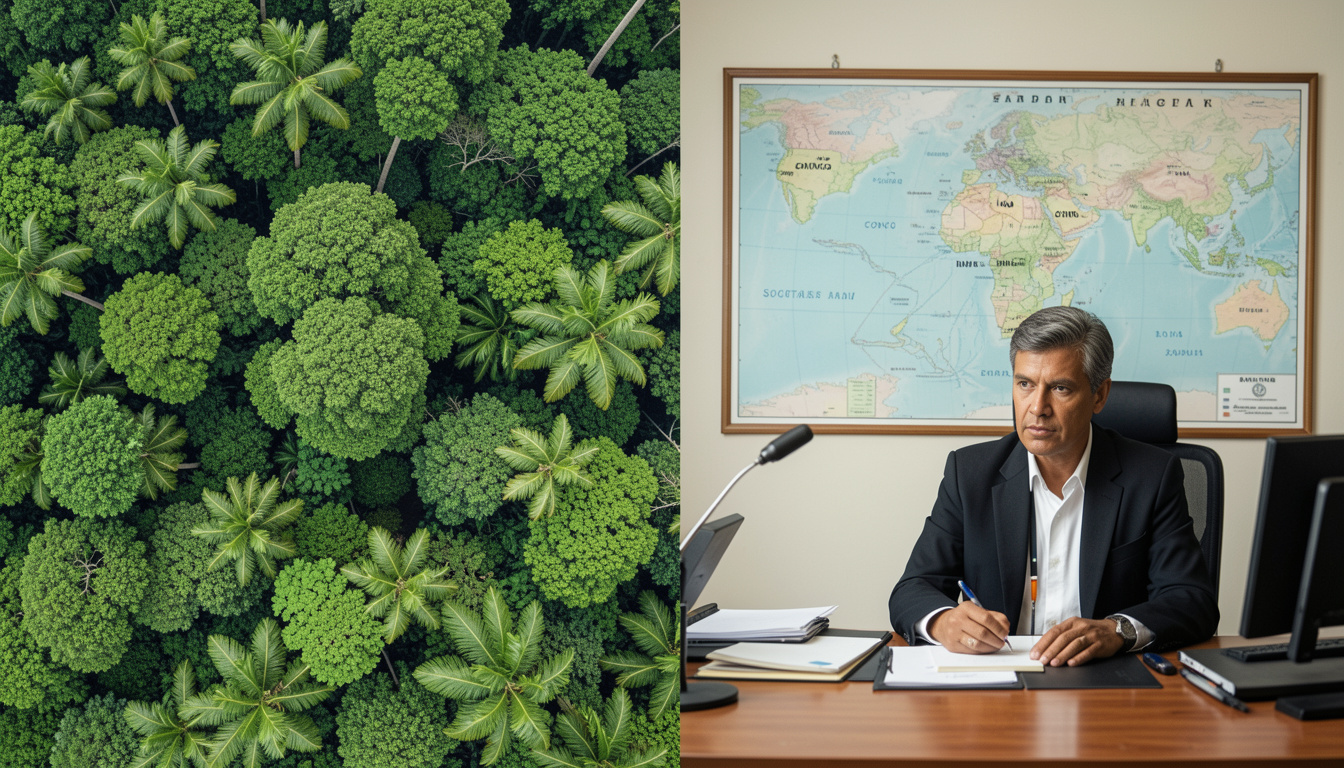
The Pulitzer Center is now accepting applications for the sixth cohort of its Rainforest Investigations Network (RIN) —a full-time, yearlong fellowship for seasoned investigative journalists who want to pursue ambitious, impactful projects examining the root causes of deforestation across the world’s three major tropical rainforest regions: the Amazon, the Congo Basin, and Southeast Asia.
This is not a grant for a single story. It is a fellowship that provides financial support covering the reporter’s salary, plus additional funding for reporting expenses such as travel and hiring consultants. Fellows pursue both individual and joint investigative projects, working collaboratively across borders and newsrooms.
The deadline is May 22, 2026, at 11:59 PM EST.
If you are an investigative journalist with a proven track record covering rainforest regions—or if you are based elsewhere but committed to focusing your reporting on these regions—this fellowship could be your next chapter.
What Makes This Fellowship Different
Most environmental journalism grants fund a single story or a short-term project. The Rainforest Investigations Network takes a different approach.
RIN Fellows are embedded in a supportive, collaborative environment for an entire year. They work alongside peers from across the globe, sharing progress, troubleshooting challenges, and contributing to each other’s investigations. The network itself becomes a resource—connecting local reporting to global supply chains, and individual discoveries to systemic revelations.
The fellowship is designed for journalists who are passionate about teamwork, willing to share their research in progress, and ready to help others when needed. This is not a solitary pursuit. It is a collective effort to uncover the hidden drivers of rainforest degradation.
What the Fellowship Covers
While the call does not specify a dollar amount, the fellowship provides:
- Salary support for the reporter for the full year
- Reporting expenses including travel, hiring consultants, and other investigation-related costs
- Access to the RIN network of journalists, editors, and data experts
- Potential connections to local and global media outlets for publication
Fellows are expected to work full-time on their investigations. This is not a side project.
What the Pulitzer Center Is Looking For
The ideal RIN Fellow is not just a good journalist. They are a seasoned investigative reporter with a proven track record covering the Amazon, Congo Basin, or Southeast Asia. They understand the scientific, environmental, social, legal, political, and commercial forces driving deforestation—and why this issue matters to global well-being.
Applicants must demonstrate:
- Ambitious, impactful project ideas. The fellowship is not for general themes or exploratory reporting. The Pulitzer Center wants concrete investigative projects that aim to uncover systemic wrongdoing or abuse that is unknown or hidden. By the time you apply, you should have already done pre-reporting to determine the scope, feasibility, and novelty of your project.
- A cross-border mindset. The most competitive proposals will connect local drivers of forest destruction with global supply chains. If your investigation takes a cross-border approach, explain your collaboration plan and identify potential partners inside and outside the network.
- A willingness to engage beyond publication. Fellows are expected to participate in outreach activities related to their investigations, such as community meetings and visits to schools and universities.
- Team player instincts. You will be working closely with other Fellows, sharing progress, and contributing to others’ projects. This is not a fellowship for lone wolves.
Who Is Eligible?
The RIN fellowship is open to:
Experienced investigative journalists with a proven track record covering the Amazon, Congo Basin, or Southeast Asia.
Reporters based outside these three regions may also apply, but their reporting during the fellowship must focus on stories related to these rainforest regions.
Staff or freelance journalists working across print, radio, video, and multimedia platforms. Freelance reporters must have the support of a local or international newsroom that agrees to host them and publish the work they produce during the fellowship.
Important: Applications must be submitted individually. Groups or media outlets cannot apply as a collective.
What You Need to Apply
The application requires the following components. Start preparing now—this is a substantial package.
1. Statement of Purpose (500 words)
Explain how this fellowship fits into your career path and why you are best positioned to be a RIN Fellow. You may also include how collaboration with journalists from other regions can benefit your investigations or how you might be able to assist them.
2. Investigative Project Proposal (1,000 words)
This is the heart of your application. Describe the most ambitious rainforest reporting you seek to pursue during your fellowship. Do not propose general themes. Offer a concrete investigative project that aims to uncover systemic wrongdoing or abuse that is unknown or hidden.
Critical: By the time you apply, you should have already done pre-reporting to determine the scope, feasibility, and novelty of your project. A compelling, well-researched project proposal with a clear reporting plan will help you stand out among hundreds of applicants.
If your investigation includes a cross-border approach, explain your collaboration plan and identify partners outside and within the network.
3. Publication and Distribution Plan (500 words)
Describe how your project will be published and distributed. Which audiences do you want to reach? How will you engage them?
4. Three Examples of Past Work
Provide links to your three most impactful investigations published in the past three years.
5. Letter of Support
A letter from your media employer or a newsroom that has agreed to host you as a RIN Fellow and publish your work. Freelance applicants: this is essential.
6. Three Professional References
These can be either contact information or letters of recommendation.
7. Résumé or Curriculum Vitae
Language and Accessibility
The Pulitzer Center accepts applications in English, Portuguese, Spanish, French, and Bahasa Indonesia. This reflects the geographic focus of the fellowship and the linguistic diversity of the regions involved.
The Center also encourages proposals from journalists and newsrooms that represent a broad array of social, racial, ethnic, and economic backgrounds, as well as underrepresented groups.
Why This Fellowship Matters
Tropical rainforests are the lungs of the planet. They regulate global climate, house most of the world’s terrestrial biodiversity, and support the livelihoods of hundreds of millions of people. Yet deforestation continues at an alarming rate, driven by complex forces: illegal logging, agricultural expansion, mining, infrastructure development, and global supply chains that connect forest destruction to consumers thousands of miles away.
Investigative journalism is one of the few tools that can expose these hidden drivers, hold powerful actors accountable, and spark the political will for change.
The Rainforest Investigations Network exists to support that work—not as a one-off grant, but as a sustained, collaborative, yearlong commitment to truth-telling from the world’s most vital ecosystems.
If you have the track record, the ambition, and the collaborative spirit, the Pulitzer Center wants to hear from you.
Questions?
Contact the RIN team at rin@pulitzercenter.org
Apply using the online form available on the Pulitzer Center’s website.