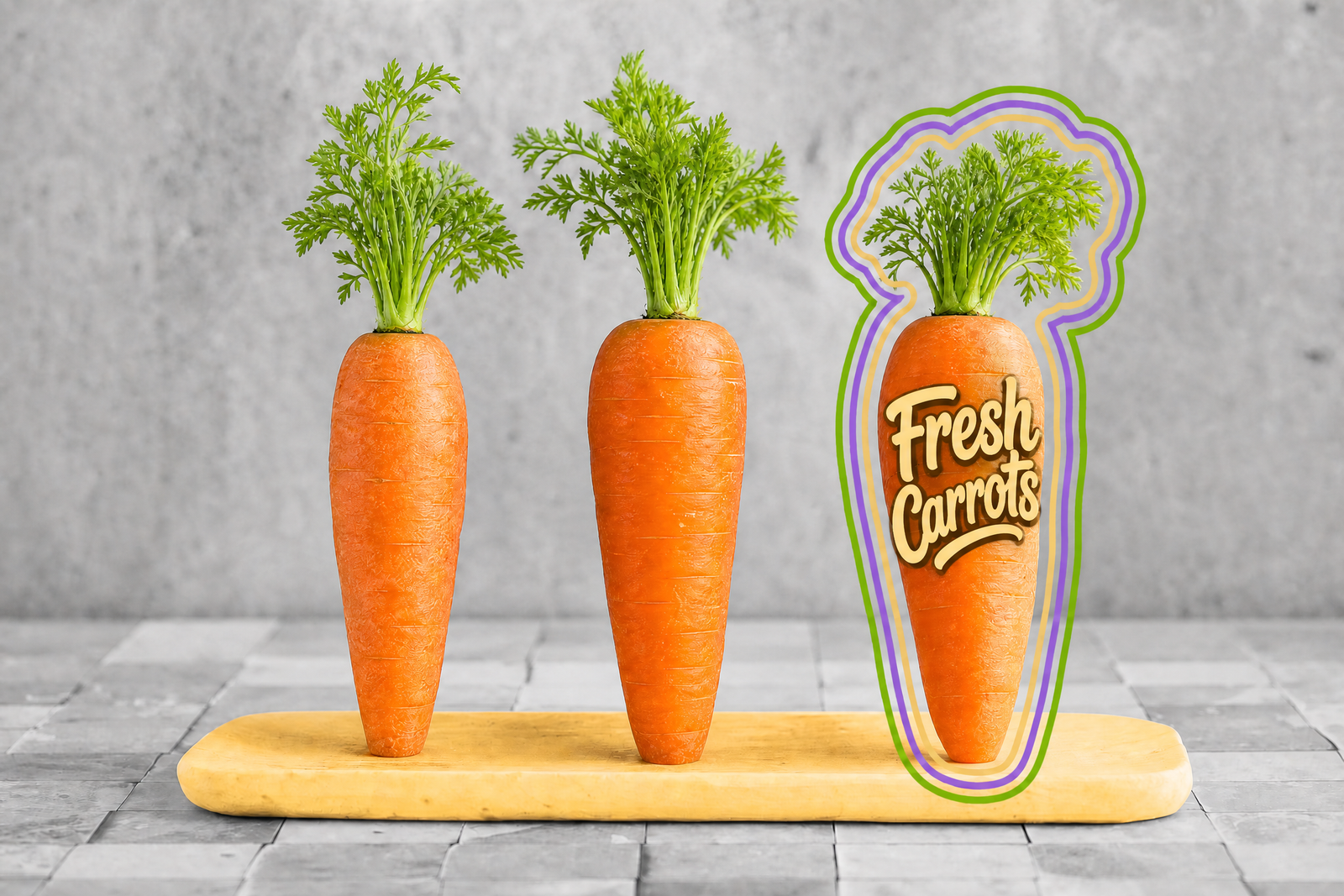
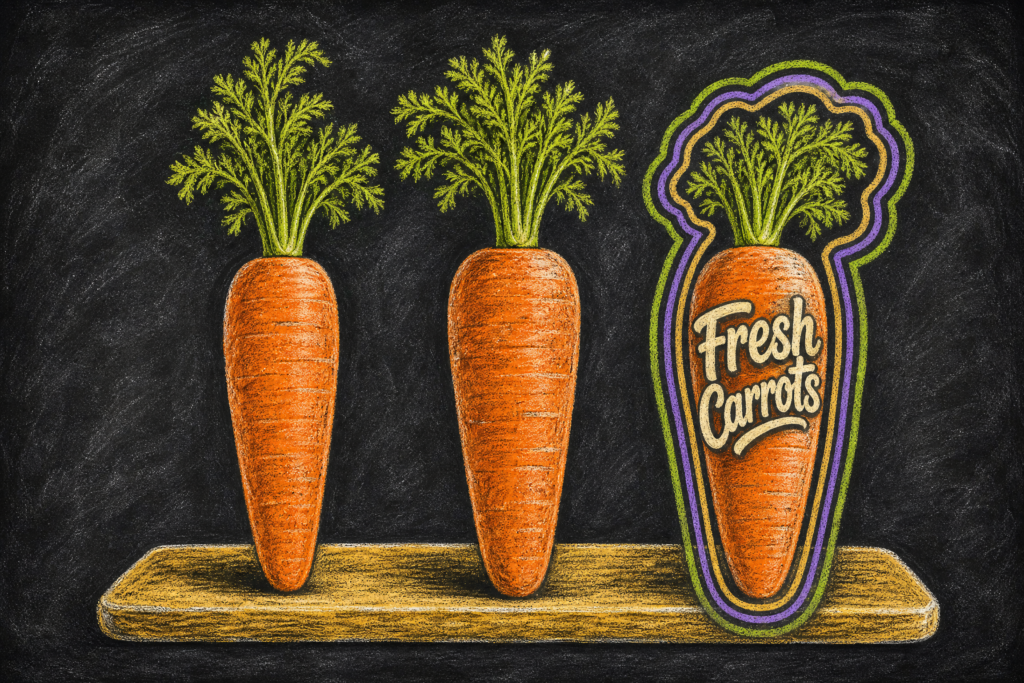
When we think about solving a problem as complex as childhood malnutrition, it’s easy to feel overwhelmed. The statistics are stark, the challenges immense, and the solutions often seem to require massive, complex interventions. But sometimes, the most powerful solutions are the simplest, the most humble, and the most deeply rooted. Today, let’s talk about one of them: the carrot.
A Crisis of Empty Plates and Lost Potential.
In Kayonza District, Rwanda’s Eastern Province, the daily reality for children is one of scarcity. This is a region where over 90% of people rely on agriculture, yet the harsh, changing climate makes them extremely vulnerable to poverty and food insecurity. This isn’t just about a lack of food; it’s a crisis of nutritious food. The result is heartbreaking: according to the Rwanda Demographic and Health Survey (DHS) 2025, a staggering 26.1% of children under five are stunted due to chronic malnutrition.
When a child’s plate is empty or filled only with nutrient-poor staples, it’s not just their physical growth that suffers. Their brains are developing, and they need the right fuel to think, learn, and concentrate. This is where school feeding programs step in, offering a lifeline. But even these programs are stretched thin, with only 72% of students in the region currently reached.
This is where the carrot enters the story. It’s more than just a vegetable; it’s a symbol of the transformative power of nourishing food.
Why Carrots? A Nutritional Powerhouse
Think of a carrot. It’s a simple, brightly colored root. But inside this humble vegetable lies a powerhouse of nutrients essential for a child’s growth.
1. For the Eyes and a Bright Future
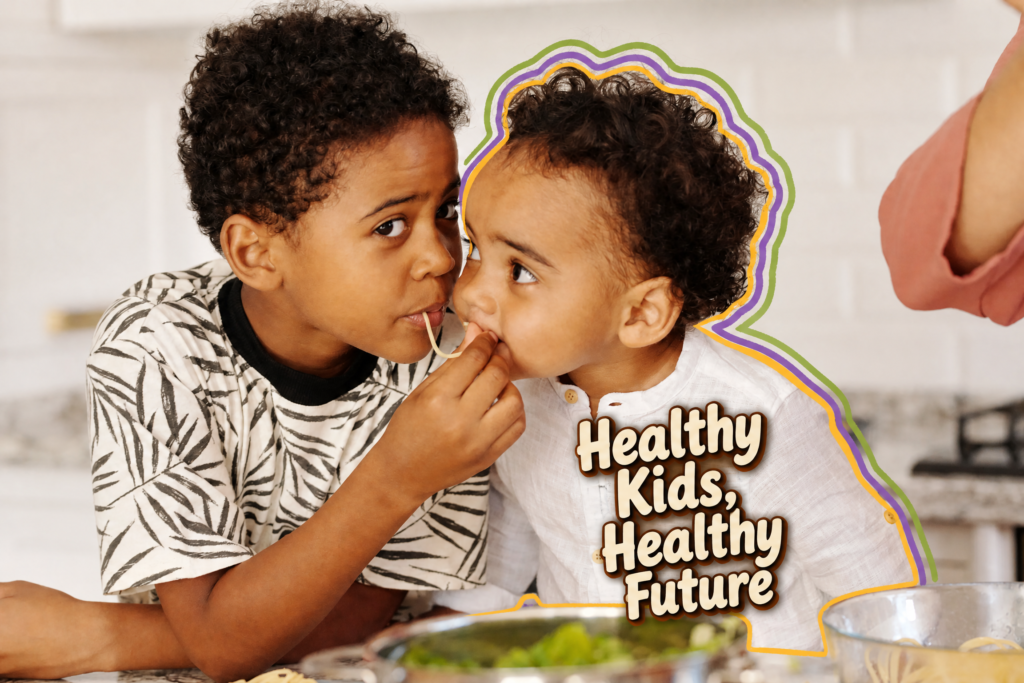
Most of us know that carrots are good for our eyes. This is due to their high levels of beta-carotene, which the body converts into Vitamin A. One serving of carrots can provide over 100% of a child’s daily Vitamin A needs . But this isn’t just about seeing well. Vitamin A is crucial for a strong immune system, helping children fight off illnesses that often cause them to miss school. A healthier child is a child who is present and ready to learn.
2. Building a Strong Foundation for the Body and Mind
Beyond vitamin A, carrots are packed with fiber, which is great for a child’s digestive health, and a range of other nutrients like Vitamin B6, essential for healthy skin, hair, and eyes, and potassium. These nutrients support healthy cell growth and ensure that children have the energy they need to run, play, and participate in class. A well-nourished body is a prerequisite for an engaged mind.
3. A Sweet Introduction to a Healthy Diet
Children naturally crave sweet things, and luckily, carrots have a naturally sweet, mild flavor that is appealing to them. This makes them a perfect “gateway vegetable.” Research shows that early eating experiences can affect how we eat as we get older, and introducing children to healthy foods like carrots in their early years helps develop lifelong healthy eating habits.
A Simple Solution with a Lasting Impact
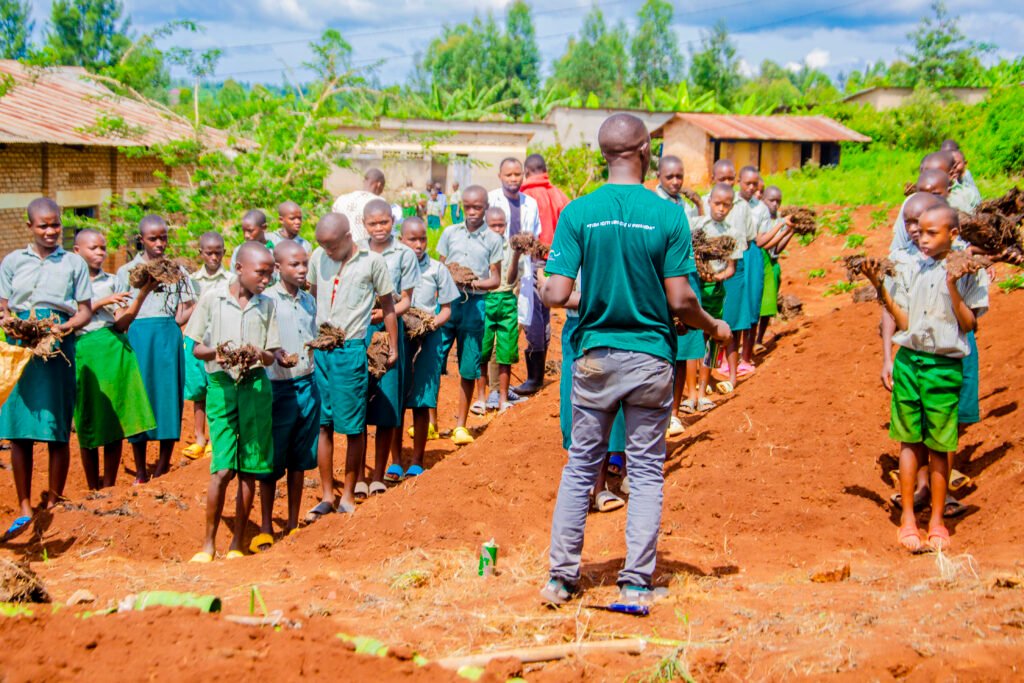
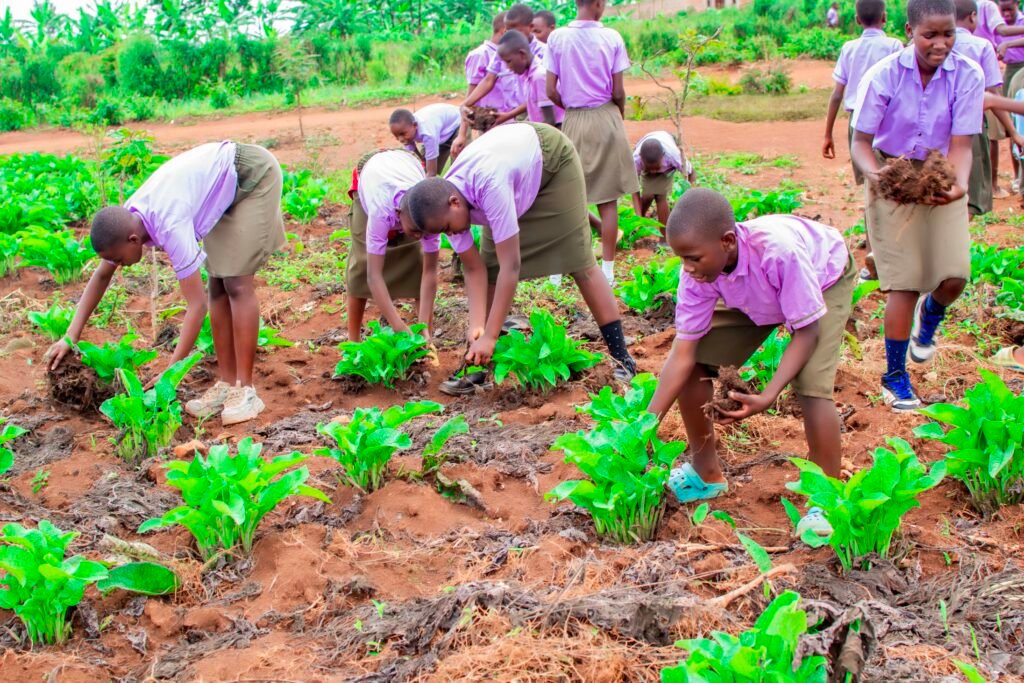
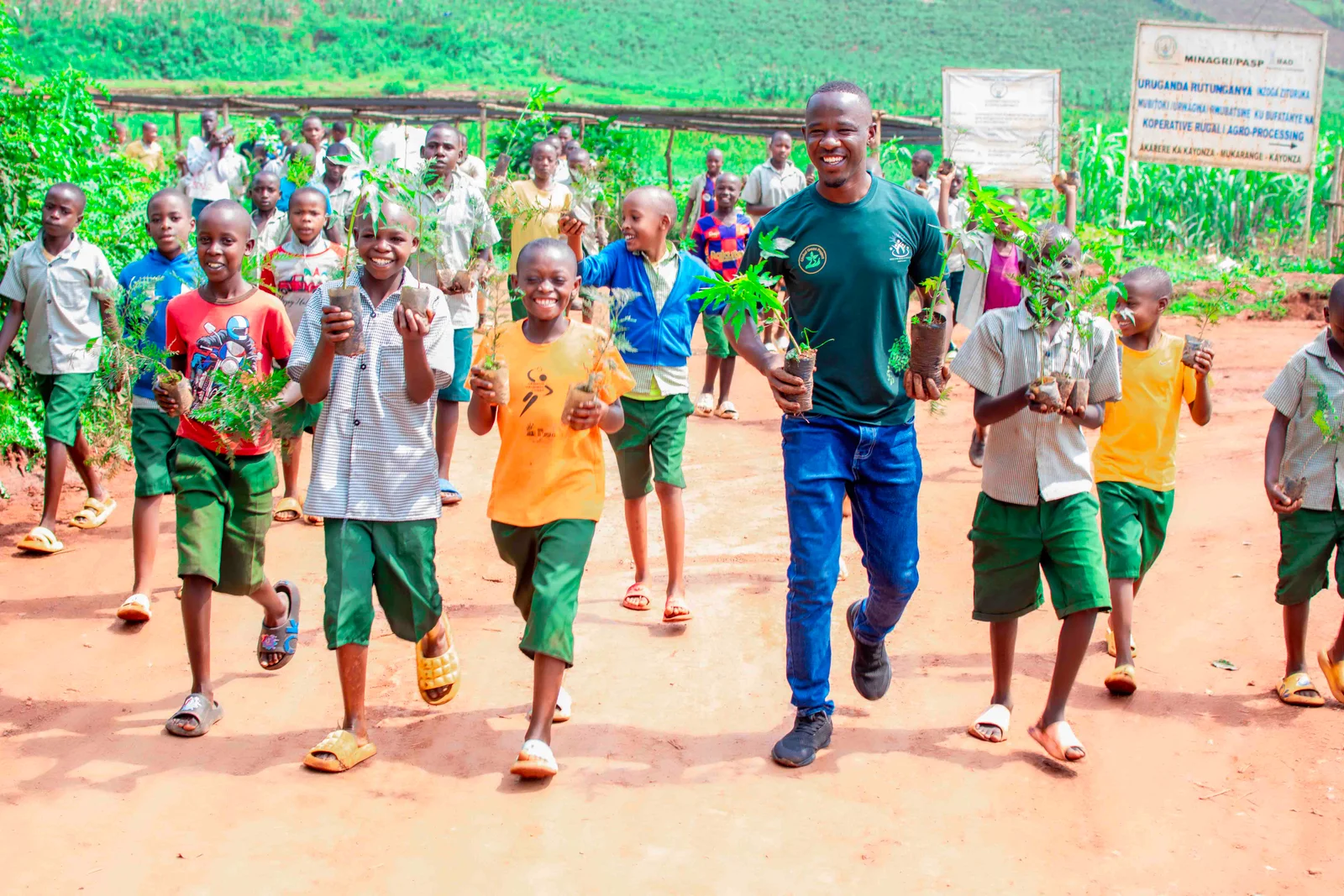
This is why our project is so much more than just “giving food.” Our plan is to create an entire system of nourishment by transforming 20 schools in Kayonza. We are planting 5,000 trees for shade and fruit, installing rainwater tanks for clean water, and most importantly, creating vegetable gardens to provide fresh, nutritious meals just like carrots.
By growing carrots and other vegetables right at school, we ensure a constant supply of fresh, nutritious ingredients. It’s the “farm-to-plate” approach that is being proven across Rwanda, where school meals now contribute 35-40% of a student’s daily nutritional needs. We have already tested our model with 5 schools and know it works.
Knowledge Passed from Student to Family
This creates a “ripple effect.” In a related project in Kayonza, 90% of students said they were able to replicate the gardening techniques they learned at school in their own homes. Think of the power of that: a child in Kayonza learning to grow a carrot at school and then showing their family how to do the same at home. This is how you break the cycle of hunger and malnutrition.
A Legacy of Health, Education, and Dignity
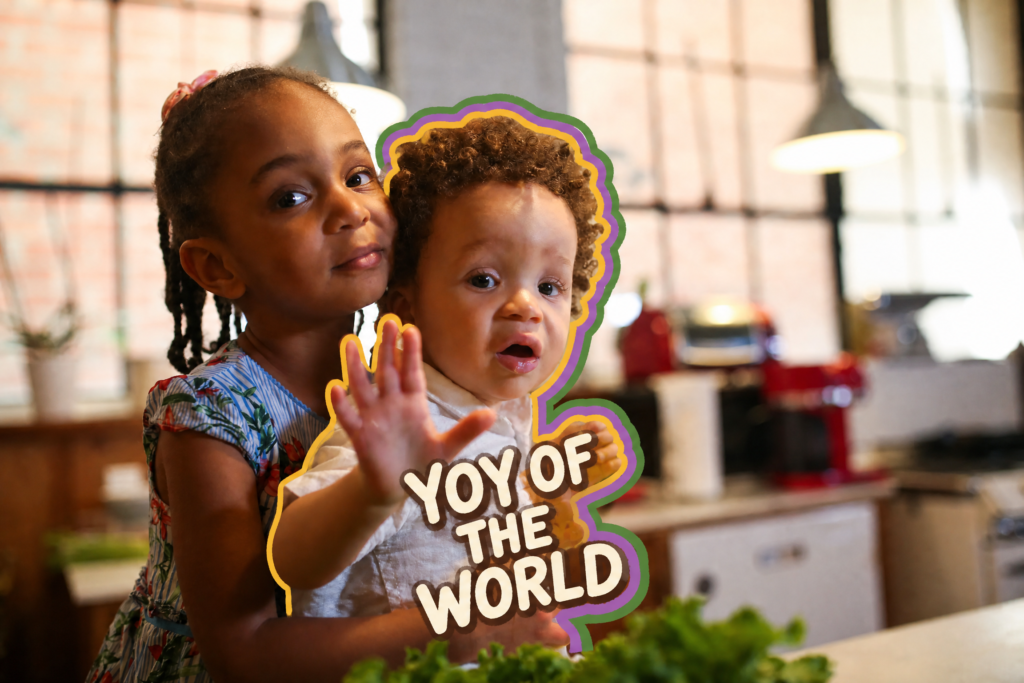
We plan to train 40 teachers and establish environmental clubs of 50 students per school. These children will learn sustainable farming, a skill they will take home and share with their families, creating community-wide change. They will be growing food that fuels their education, and a child who is healthy, nourished, and full of potential is a child who can dream of a brighter future.
It all starts with a seed planted in the earth and a carrot on a plate. We are ready to plant those seeds and watch them grow. With your support, 8,000 students will not just eat—they will learn, thrive, and build a healthier, more resilient community for generations to come.
Please, join us in planting the seeds of change.