A World in Peril.
The natural world is sounding an alarm—one that grows louder with each passing year. Climate change is no longer a distant threat; it is an unfolding catastrophe systematically dismantling the web of life on Earth. From frozen Arctic expanses to sun-scorched African savannas, wild animals face an existential crisis.
The scale of loss is staggering. Between 1970 and 2020, we lost 73% of monitored wildlife populations, according to WWF’s Living Planet Report 2024. The Intergovernmental Panel on Climate Change (IPCC) estimates that up to 14% of species in land-based ecosystems face a very high risk of extinction at 1.5°C of warming; at 3°C, that number could reach 29%. Even limiting warming to 2°C could see these places lose 25% of their species.
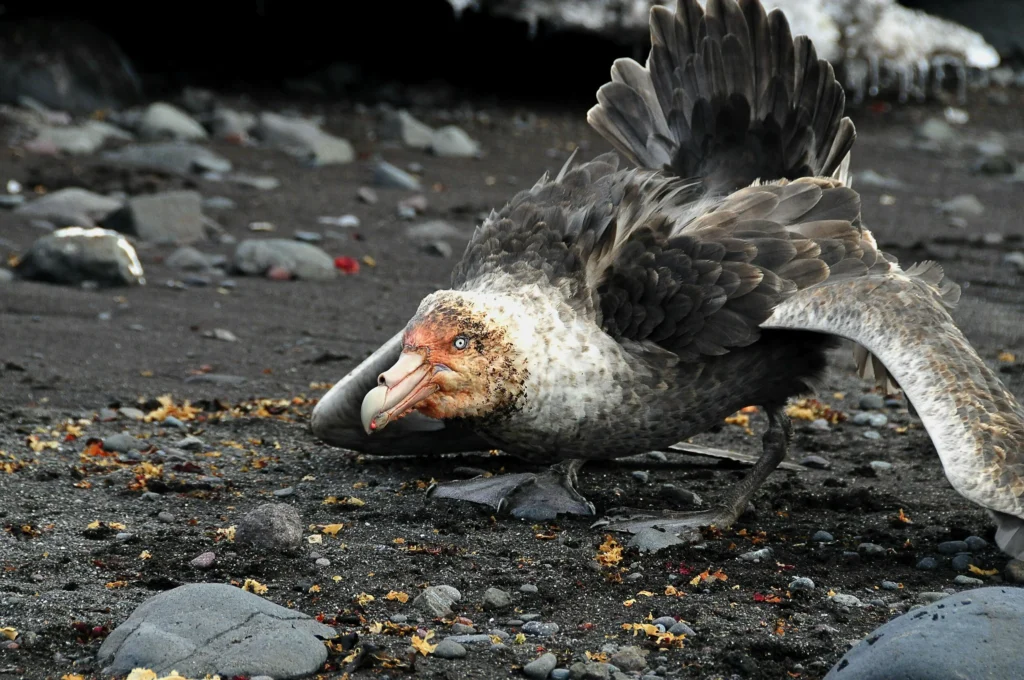
The latest research confirms this crisis is accelerating. A 2025 study published in Proceedings of the National Academy of Sciences found that one in six vertebrate species (5,368 species) were exposed to unprecedented temperatures across over 25% of their range during the hottest year on record—68% more species than in 2023. The same study warns that for the first time, widespread species were exposed to extreme temperatures across over 10% of their ranges.
This is not hyperbole. This is the reality of a planet in distress.
The Silent Suffering: How Climate Change Impacts Wildlife
Habitat Loss and Fragmentation
The most immediate impact of climate change on wildlife is the loss of habitat. As temperatures rise and weather patterns shift, ecosystems transform faster than species can adapt. Rising sea levels threaten the nesting grounds of marine turtles and seabirds. Melting polar ice caps diminish the Arctic habitat essential for polar bears, seals, and walruses.
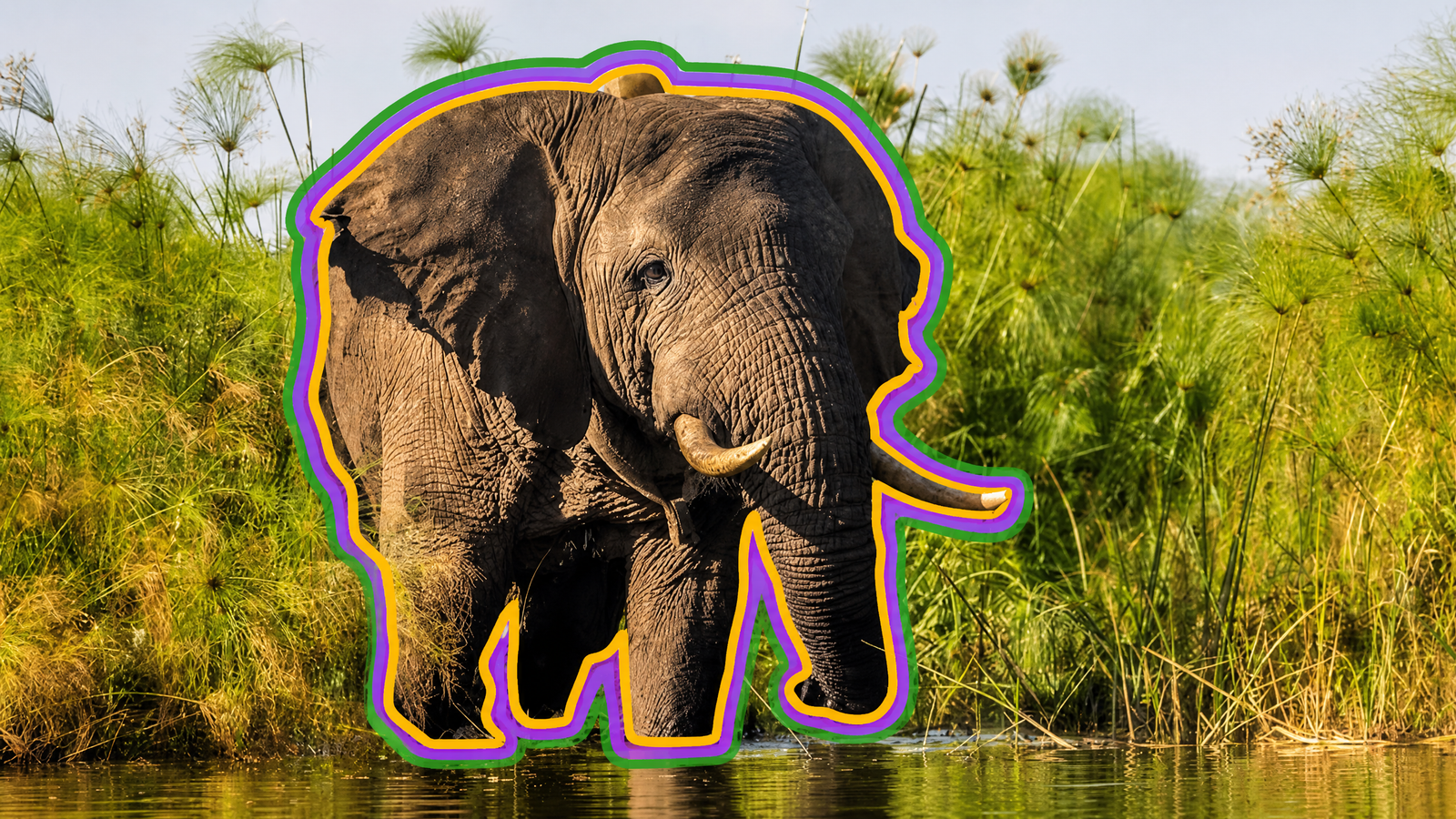
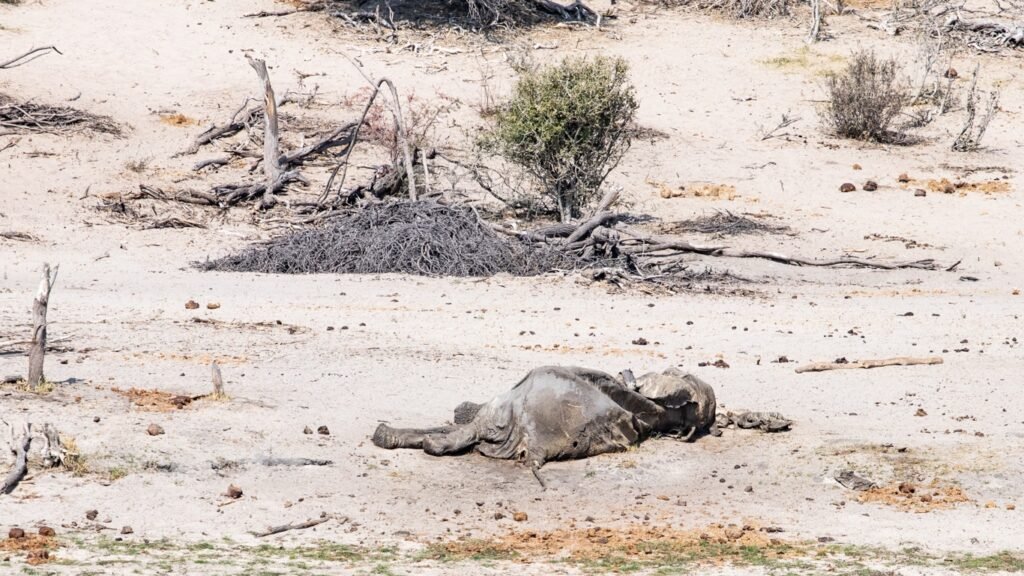
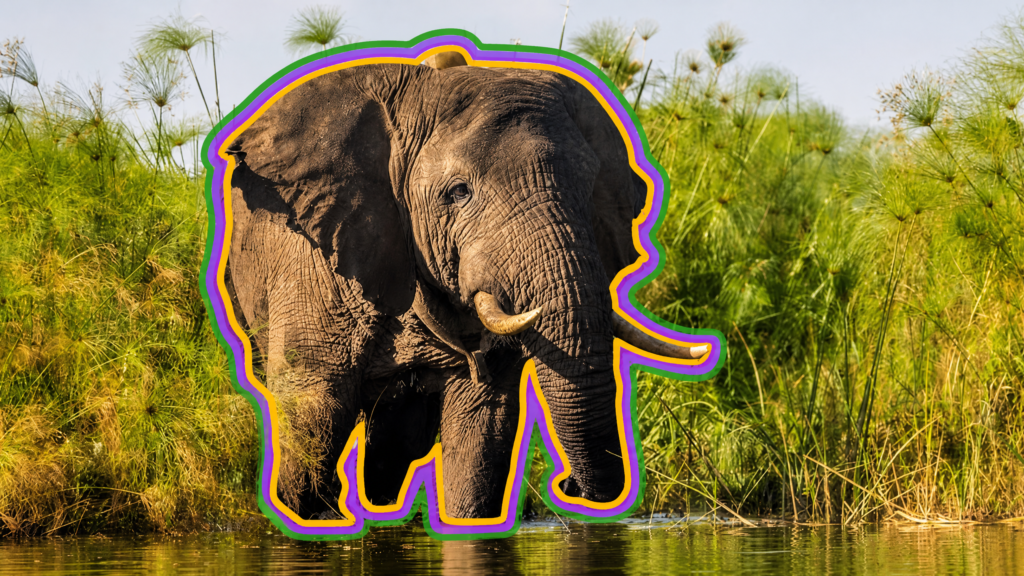
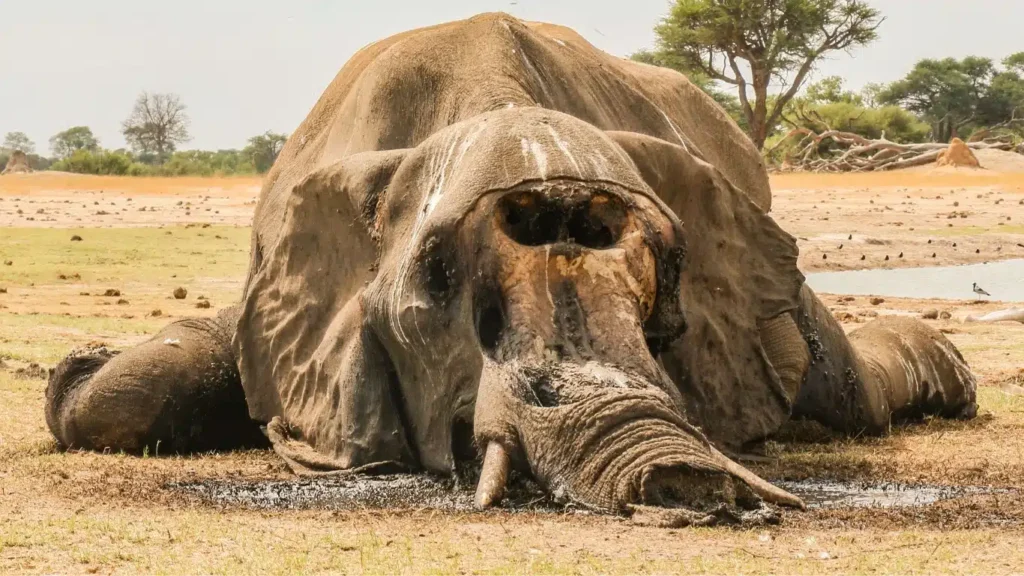
In Botswana’s Makgadikgadi National Park, the Boteti River—a vital water source for elephants, zebras, and other wildlife—has been almost completely dry since October 2022. In Kenya, farmers illegally chop down forest trees for charcoal, leaving behind destroyed habitats and driving elephants closer to human settlements, increasing human-wildlife conflict and poaching risks.
The IPCC has warned that the Sundarbans, the only remaining habitat of Bengal tigers in Bangladesh, is projected to lose 18% of its land by 2050 and up to 34% by 2100 due to rising sea levels. For tigers and many other species, migration to higher ground is blocked by human habitation.
Disrupted Life Cycles and Mismatched Timing.
Climate change throws nature’s delicate timing out of sync. Many species rely on seasonal cues—temperature changes, day length, and precipitation—to trigger critical life events like migration, breeding, and hibernation.
In Australia, warmer winters force mountain pygmy possums out of hibernation earlier than their prey, the bogong moth—many starve as a result. In Europe, roe deer are giving birth after the first flowers bloom, creating a 36-day mismatch between birthing and food availability, driving population decline. In one Dutch park, caterpillars appear earlier as spring arrives sooner, but great tits are not always laying eggs in time, causing bird populations to decline.
Shifting Ranges and Forced Migration
As temperatures rise, species move to higher elevations and latitudes seeking cooler conditions. A 2011 study found species moving to higher elevations at an average rate of 36 feet per decade and to higher latitudes approximately 10 miles per decade.
The National Wildlife Federation reports that 177 of 305 North American bird species shifted their range north by 35 miles in the last 40 years . Over the last century, 14 species of small mammals extended their range 1,640 feet higher in the Sierra Nevada region.
But climate change is occurring too rapidly for most species to outrun it. Even when migration is possible, species may enter territory with increased competition or unprecedented interactions. Those already at northern limits—caribou, arctic fox, and snowy owl—have nowhere left to go as forests encroach upon the tundra.
Eastern Rwanda: Where Wildlife and Communities Face a Shared Crisis
The Eastern Province of Rwanda tells a story that echoes the global crisis—yet one that also offers a path forward. This region, home to the biodiverse Akagera National Park, has long carried the scars of deforestation. Once characterized by savannah woodlands, wetlands, and scattered forests, the area gradually lost much of its tree cover as communities cleared land for farming and relied heavily on firewood and charcoal.
The result has been visible: shrinking forests, worsening drought, and fragile livelihoods.
Akagera National Park itself has faced profound challenges. During and after the 1994 genocide against Tusti, returning refugees and local communities used the park for cattle grazing; the protected area lost more than half of its original size due to conversion to agriculture and the government’s decision to grant land to returning refugees. Today, the park is located in a drought-prone area the effects of which are exacerbated by climate change. Local communities who once relied on the lakes in Akagera for water and fishing now find their access limited by conservation fences.
The crisis is not confined to wildlife. When forests disappear, both animals and neighborhoods suffer. Communities face worsening drought, reduced agricultural productivity, and heightened vulnerability to climate extremes. The connection is undeniable: healthy forests mean healthy wildlife and resilient communities.
The Predator-Prey Imbalance.
Warmer temperatures benefit pests and pathogens, enabling them to expand their territory and survive through winter. From 1997 to 2010, mountain pine beetles destroyed trees on 26.8 million acres in the American West. Warmer winters have helped an oyster parasite extend its range from Chesapeake Bay to Maine. The Aedes aegypti mosquito, carrying dengue and yellow fever, appeared in San Francisco in 2013—far beyond its typical range.
Oceanic Devastation
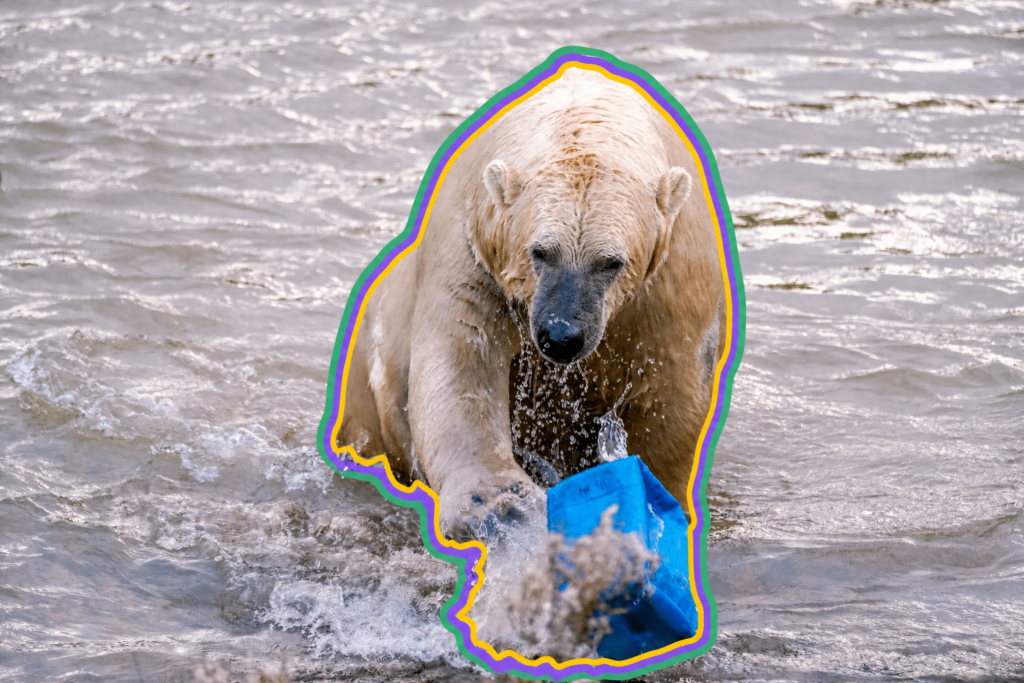
Warming oceans become increasingly acidified, stressing corals and causing bleaching and die-offs. At 2°C of global warming, over 90% of coral reefs are expected to disappear; keeping temperatures to 1.5°C limits this to a loss of 70-90%. The rapid melting of Arctic sea ice affects the entire food chain: ice algae loss impacts zooplankton, which affects Arctic cod, which are prey for seals, which are the main food of polar bears.
According to the National Wildlife Federation, Arctic sea ice observed in 2012 was 49% less than in the 1980s and 1990s. Polar bears must now swim, sometimes as long as 12 days, to reach offshore ice floes—and many drown. The U.S. Geological Survey projects that two-thirds of the world’s polar bear subpopulations will be extinct by 2050.
Tropical Birds in Crisis
A 2025 study in Nature Ecology & Evolution revealed a dominant role of intensified heat extremes on bird populations. Compared to a counterfactual without human-driven climate change, the historical intensification of heat extremes has caused a 25–38% reduction in the level of abundance of tropical birds from 1950 to 2020. Across observed tropical bird populations, climate impacts have typically been larger than direct human pressure.
SAVE LIVES TODAY
The Human Connection: Why We Must Care
This is not merely an animal welfare issue—it is a human survival issue. Wildlife provides services essential for human well-being: pollination, seed dispersal, pest control, nutrient cycling, and carbon sequestration. Climate change exacerbates biodiversity loss, which further reduces ecosystem resilience and jeopardizes the delivery of these services essential to human well-being.
Declines in pollinator populations can reduce crop yields. Disruptions to seed dispersal can hinder forest regeneration. The disappearance of any species creates ripple effects that destabilize entire ecosystems—and ultimately threaten the systems upon which human civilization depends. More than one-third of U.S. fish and wildlife species are currently at risk of extinction in the coming decades.
Glimmers of Hope: Resilience and Adaptation
Remarkably, some species are finding ways to adapt. The Quino checkerspot butterfly, once common in Southern California and thought at risk of extinction, adapted by shifting to higher ground and finding a completely new plant on which to lay its eggs. Some corals in Samoa have shown unexpected resilience in response to higher water temperatures, with natural selection favoring the most heat-tolerant corals.
Scientists are also studying phenotypic plasticity—the ability of organisms to change their features during their lifetime in response to the environment. This adaptability could allow some species to remain in place and give others time to migrate and evolve. However, species with long generation times and small populations—like polar bears—face greater extinction risk, as adaptation occurs too slowly.
The Call to Action: What We Must Do
The window for meaningful action is closing rapidly. As the National Wildlife Federation’s chief scientist emeritus Bruce Stein stated, “We don’t have the luxury to do nothing and think things will be OK.” We need urgent action on multiple fronts.
Individual Actions
- Reduce your carbon footprint: Use energy-efficient appliances, drive less, fly less, choose sustainable transportation
- Support sustainable agriculture: Choose locally sourced food with minimal environmental impact
- Reduce waste: Embrace circular economy principles—reduce, reuse, recycle
- Support conservation organizations: Donate to and volunteer with groups protecting wildlife and habitats
Political and Corporate Pressure
- Demand government policies: Insist on legislation reducing fossil fuel use, expanding protected areas, and funding climate adaptation programs
- Hold corporations accountable: Pressure large corporations to reduce carbon emissions and adopt sustainable practices
- Support climate adaptation plans: Promote plans that enhance natural ecosystems and provide natural protection against extreme weather
Systemic Changes: Wildlife Corridors and Protected Areas
One of the most promising strategies is creating connected landscapes that allow species to move in response to changing conditions. The Yellowstone to Yukon Conservation Initiative (Y2Y) exemplifies this approach. Since 1993, Y2Y has worked to reconnect fragmented landscapes across a 2,000-mile mountain corridor.
The results are tangible: the gap between grizzly bear populations in the Yellowstone and Glacier National Park regions has shrunk from over 240 kilometers to just 72 kilometers. There are now 204 wildlife crossings across the Yellowstone to Yukon region, including overpasses and underpasses that reduce wildlife-vehicle collisions and allow animals to safely access food, water, and mates.
In Idaho, a two-mile stretch of Interstate 90 recorded the second-highest density of roadkill in the past decade, with at least 75 animals struck by vehicles. Community partners installed fencing and converted an abandoned bridge into a wildlife crossing—cameras now show deer regularly using the overpass.
Renowned biologist E.O. Wilson believed the only way to prevent the sixth mass extinction is to set aside half the planet for all other species—a vision of uninterrupted corridors, national biodiversity parks, and connected wildlands that “won’t let species vanish.”
The Bottom Line
Climate change is not a future problem—it is an unfolding crisis already devastating wildlife across the globe. The numbers are stark: over 28% of the 172,600 species assessed by the IUCN are threatened with extinction. Thousands of species race toward extinction. Ecosystems collapse. The survival of countless species—and ultimately, human civilization—hangs in the balance.
But it is not too late. Every action counts. Every voice matters. We must act with the urgency this crisis demands—for the elephants of Botswana, the polar bears of the Arctic, the tropical birds of the Amazon, and ourselves.
The time for complacency is over. The time for action is now.
The fate of the world’s wildlife rests in our hands. Will we rise to the challenge?
SUPPORT OUR MISSION
Plant Hope: The Here For Hope Foundation Mission
In the heart of drought-prone Eastern Rwanda, one organization is taking action where it is needed most.
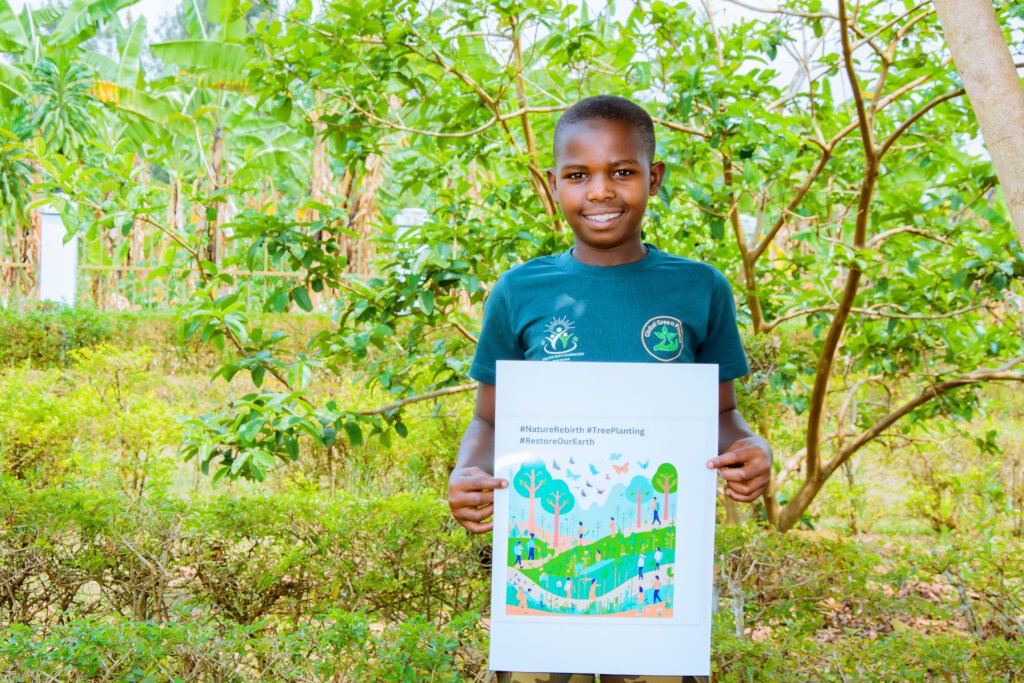
The Here For Hope Foundation—founded by climate activist Feston Bigirimana—has dedicated its efforts to environmental conservation, climate adaptation, and community empowerment. With a mission that aligns with Rwanda’s ambitious goal of restoring degraded land, the Foundation has set a bold target: plant 10,000,000 trees by 2030 in the drought-prone areas of Eastern Province, near Akagera National Park.
Your donation is tax-deductible. Every contribution goes directly to planting trees and supporting communities in one of the most climate-vulnerable regions of Africa.
Donate today and help us plant the forests that will protect wildlife, sustain communities, and heal our planet. Visit our website or contact us to learn how you can become a partner in this urgent mission
Sources and Further Reading
- IPCC (Intergovernmental Panel on Climate Change): Climate Change 2022 – Impacts, Adaptation and Vulnerability
- Merow, C. et al. (2025). “Hottest year in recorded history compounds global biodiversity risks.” Proceedings of the National Academy of Sciences
- Kotz, M. et al. (2025). “Large reductions in tropical bird abundance attributable to heat extreme intensification.” Nature Ecology & Evolution
- WWF Living Planet Report 2024
- National Wildlife Federation: Wildlife in a Warming World report
- Yellowstone to Yukon Conservation Initiative: Impact reports 2025-2026
- Columbia Climate School: Biodiversity and Climate Change research