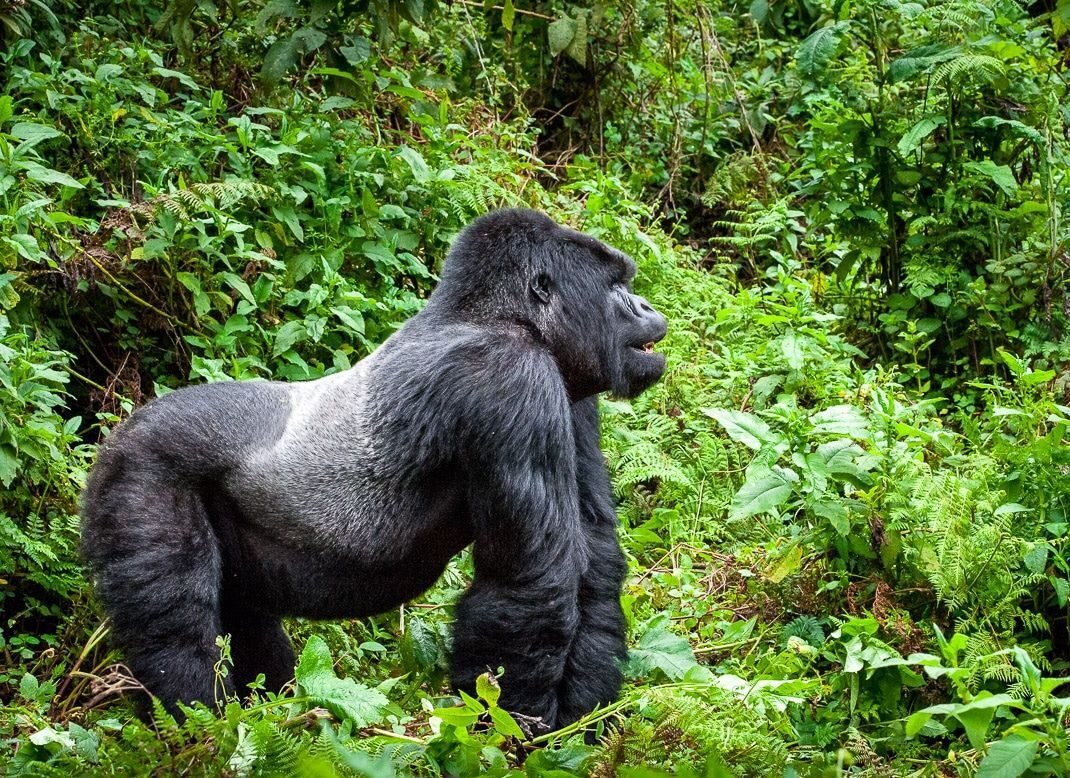
Coming face-to-face with a mountain gorilla is one of the world’s most powerful wildlife encounters. With fewer than 1,100 of these gentle giants remaining, the experience is genuinely life-changing—and choosing between Rwanda and Uganda is one of the biggest decisions you’ll make when planning your trek.
Both countries offer the extraordinary experience of seeing mountain gorillas in their natural habitat, but they deliver it in distinctly different ways. Here’s everything you need to know to make the right choice.
Why This Choice Matters
When planning a gorilla trekking trip, you’re making a significant financial and emotional investment. This comparison helps you weigh your options and make an informed decision. Whether you’re a first-time trekker focused on photography, an adventure-seeker wanting a wilder experience, or a traveler balancing budget and luxury, this guide will point you in the right direction.
Quick Comparison Overview
| Factor | 🇷🇼 Rwanda (Volcanoes NP) | 🇺🇬 Uganda (Bwindi/Mgahinga) |
|---|---|---|
| Permit Cost (Standard) | $1,500 | $800 |
| Habituation Permit | Not available | $1,500 (4 hours with gorillas) |
| Gorilla Families | 12 habituated groups | More habituated groups across multiple sectors |
| Trek Difficulty | Generally shorter (1-3 hours) and easier | Often longer (2-6+ hours) and more challenging |
| Photography Conditions | Better—less dense vegetation, clearer views | More challenging—thick rainforest, less light |
| Accommodation Style | Primarily luxury | Wide range (budget to luxury) |
| Accessibility | 90 minutes from Kigali | Longer drives or internal flights from Entebbe |
Cost Comparison: The Biggest Difference
This is where the two destinations diverge most significantly.
🇺🇬 Uganda: The Budget-Friendly Option
- Standard permit: $800 per person—almost half the price of Rwanda
- Habituation permit: $1,500 for four hours with a gorilla family
- Wider accommodation range: Budget to luxury options available
🇷🇼 Rwanda: The Premium Experience
- Standard permit: $1,500 per person—and this is non-negotiable
- Luxury-focused: The majority of lodges in Rwanda are aimed at the luxury market
- Conservation contribution: The higher cost directly supports gorilla protection and community development
💡 Pro Tip: If budget is a concern, two treks in Uganda can cost less than one trek in Rwanda. This is a game-changer for travelers wanting multiple encounters.
The Trekking Experience: What to Expect
🇷🇼 Rwanda: The Premium, Streamlined Experience
Rwanda positions itself as the luxury option, and the experience reflects that.
Terrain and Trekking: The vegetation in Volcanoes National Park is generally less dense than Uganda’s forests. This means better lighting, clearer views, and superior photography opportunities. Treks tend to be shorter—often 1 to 3 hours—and visitors sometimes encounter gorillas within just 30 minutes. This makes Rwanda an excellent choice for:
- First-time trekkers
- Older travelers or those with limited mobility
- Families with older teenagers (minimum age is 15)
- Photography enthusiasts wanting clear shots
Altitude Note: Treks take place at higher altitudes (2,500-4,000 meters), which can feel physically demanding despite the shorter distances.
Luxury Focus: The entire Rwandan experience leans toward high-end travel—excellent roads, premium safari lodges like Wilderness Bisate (from $2,870–$3,800 per person), and highly trained guides.
Permit Availability: Around 96 permits issued daily across 12 habituated families.
🇺🇬 Uganda: The Wilder, More Adventurous Trek
Uganda offers a more rugged, immersive rainforest experience.
Terrain and Trekking: Bwindi is called “Impenetrable” for good reason—expect dense vegetation, steeper paths, and muddier trails. Treks are generally more challenging, often lasting 2 to 6 hours or more. Guides sometimes use machetes to clear paths.
The Reward: For adventure-seekers, this wildness makes the encounter even more rewarding. The lush, mystical rainforest setting is stunning in its own right—even if it makes clean portrait-style shots harder to capture.
More Gorilla Families: Uganda is home to the largest number of habituated gorilla groups, especially in Bwindi Impenetrable National Park. With multiple trailheads across different sectors (Buhoma, Ruhija, Nkuringo, and Rushaga), there’s more flexibility and often fewer trekkers at any one site.
The Habituation Experience: Uganda is the only country offering the Gorilla Habituation Experience—spending up to 4 hours with a semi-habituated family in a group of just 4 people. This intimate experience costs $1,500—the same as Rwanda’s standard permit.
🦍 What is habituation? It’s the process of gently familiarizing wild mountain gorillas with the presence of humans. It can take up to 2-3 years for a group to become habituated. The experience is currently limited to one gorilla family called Bukingyi in the Rushaga sector, and only four visitors are permitted per day.
Photography: Which Destination Wins?
Winner: 🇷🇼 Rwanda
If your top priority is clear, clean shots of gorillas, Rwanda generally has the edge. The less dense vegetation in Volcanoes National Park means the following:
- Better natural light
- More open spaces
- Clearer views of the gorillas
- More controlled conditions for portrait-style photography
Why Uganda is more challenging: The dense rainforest canopy means less light and more foliage obscuring your view. The “impenetrable” forest lives up to its name.
📸 Note: If you want both the immersive rainforest experience AND great photography, consider the habituation experience in Uganda’s Rushaga sector—it offers a raw, authentic encounter that can be equally rewarding, just different.
Beyond Gorillas: Safari Add-Ons
🇺🇬 Uganda: The Clear Winner for Diversity
Uganda offers far more variety if you want to extend your trip:
- Chimpanzee trekking in Kibale Forest—and even a chimp habituation experience
- Tree-climbing lions in Queen Elizabeth National Park
- Nile cruises to Murchison Falls
- Alpine trekking in the Rwenzori Mountains
- Big Five safaris in multiple national parks
🇷🇼 Rwanda: More Focused
Rwanda has fewer national parks but still offers the following:
- Big Five wildlife in Akagera National Park
- Chimpanzee tracking in Nyungwe Forest
- Stunning Lake Kivu
However, the focus in Rwanda is intensely on the gorilla experience, with less diversity in wildlife activities beyond primates.
Accessibility & Logistics
Winner: 🇷🇼 Rwanda
It’s much easier to access Volcanoes National Park in Rwanda, as Kigali International Airport is only a 2-3 hour drive from Kinigi, the gateway to gorilla trekking.
Uganda requires more logistics:
- Entebbe International Airport is approximately 500km (310 miles) from Bwindi
- Overland transfers can take a full day
- Internal flights to Kihihi reduce travel time to about an hour, followed by a drive to the park
Note: The advantage of overland travel in Uganda is that you can break your journey at numerous national parks en route and spot other primates, birds, and big game.
Best Time to Go
Both countries are excellent year-round destinations.
Dry Seasons (Easier Trekking):
- Mid-December to mid-March
- July to October
Rainy Seasons (Fewer Crowds, Lush Scenery):
- March to May
- November
🌧️ November Note: Heavy rains can make trails slippery and treks longer, but gorilla treks still happen daily and sightings are almost guaranteed. Gorillas don’t move as far in heavy rain, so sometimes you actually find them sooner. Just bring waterproof hiking boots, gaiters, gloves, rain jacket, and lens protection.
Porters: A Universal Recommendation
Regardless of which country you choose, hire a porter at the park entrance for around $15–$20. They’ll:
- Carry your daypack
- Help with footing on challenging terrain
- Provide direct income support for local communities
- Enhance your overall trekking experience
Decision Guide: Which Should You Choose?
Choose 🇷🇼 Rwanda if:
✓ You’re a first-time trekker wanting a streamlined, polished experience
✓ Photography is a top priority (better light and clearer conditions)
✓ You have a higher budget and prefer luxury accommodation
✓ You prefer shorter, easier treks (1-3 hours typical)
✓ You’re traveling with older family members or have limited mobility
✓ You’re short on time and want to maximize your encounter
Choose 🇺🇬 Uganda If:
✓ You’re on a budget ($800 vs $1,500 permits)
✓ You’re an adventurer who enjoys challenging, immersive treks
✓ You want the unique habituation experience (4 hours with gorillas—only available in Uganda)
✓ You plan a longer safari with diverse wildlife activities
✓ You want more gorilla family options and flexibility
✓ You’re seeking a wild, untamed rainforest experience
Final Recommendation
For first-timers focused on photography: If the budget allows, Rwanda offers the superior experience for those seeking a premium, hassle-free, photography-friendly gorilla encounter.
For adventure-seekers and budget-conscious travelers: Uganda offers better value, a more challenging and immersive experience, and the unique opportunity to spend four hours with gorillas through the habituation experience.
For the truly dedicated: Combining both countries is the ultimate option—gorilla trekking in Uganda and Rwanda offers the full spectrum of experiences.
Quick Checklist
✅ Check your budget and permit costs
✅ Decide if you want the standard 1-hour trek or the 4-hour habituation experience
✅ Consider your fitness level and physical limitations
✅ Assess your photography priorities
✅ Think about your overall safari plans—do you want to combine with other wildlife?
✅ Book your permit 3-6 months in advance (peak season sells out fast)
FAQs
Q: Which country has more gorilla families?
A: Uganda has more habituated gorilla groups, especially in Bwindi Impenetrable National Park, with multiple sectors offering different trekking experiences.
Q: Can I do gorilla trekking in both countries on one trip?
A: Yes! Many travelers combine both destinations for the ultimate primate experience. It’s a longer trip but offers the full spectrum of gorilla encounters.
Q: Which is better for first-timers?
A: Rwanda’s shorter, easier treks and more polished experience make it ideal for first-timers, especially those who want to focus on photography.
Q: Is the habituation experience worth the extra cost?
A: If you’re passionate about gorillas and want a deeper, more intimate experience, absolutely. Four hours with a gorilla family is unforgettable.
Q: How far in advance should I book?
A: Book 3-6 months ahead for peak season (June-September, December-February). Permits sell out quickly.